A Moment With…Milly Johnson
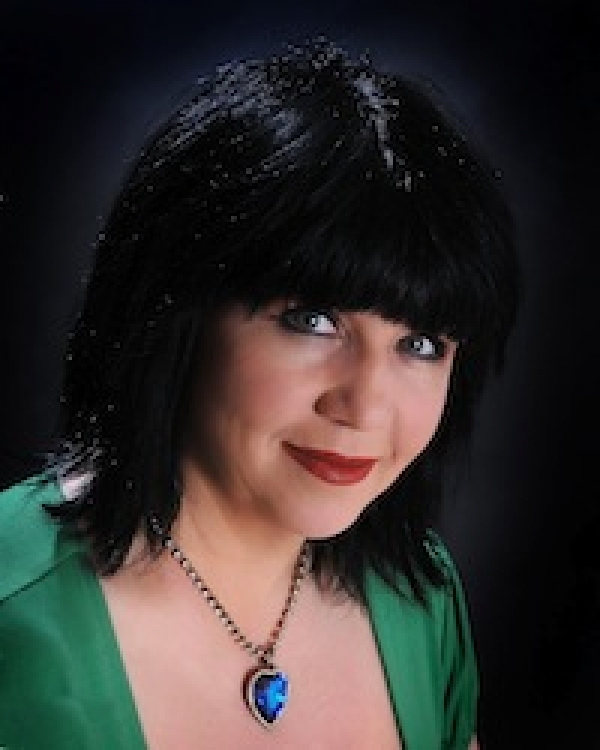 On day eleven of National Novel Writing Month, Sunday Times best-selling author, Milly Johnson joins us today as we talk about perfectly imperfect heroes.
When I am thinking up the perfect hero, the first thing I do is make him (ironically) imperfect. A totally perfect hero would be too daunting. George Clooney belongs on a pedestal, not wandering around a car boot sale on a Sunday morning. My heroes have flaws, they have made mistakes in life and become stronger people because of that. They are attainable and interesting. They have a good work ethic and are kind to animals. I could not write convincingly about a hero who kicked cats and preferred life on the dole. Flaws make a hero believable, but you have to find the right balance. A hero with too many flaws would be a pain in the butt and unattractive to readers. A good starting point is writing about someone who would be imperfectly perfect for you. Trawl the internet and find someone you like so you have a visual in your head when you are writing about him.
Lookswise… well, the faces I find most attractive have character. Features might not be flawless, but together they work. My hero’s nose may be slightly large, but on a strong face, a small straight nose would look ridiculous (analyse Liam Neeson’s features – small eyes, crooked nose, thin lips – but dynamite when placed together!). Strong female leads need even stronger men. I would have thought that 99.9% of women find being cared for and protected by someone physically and mentally strong a turn-on.


 by

A Moment With…Victoria Fox
 Day seven of National Novel Writing Month and Victoria Fox talks to us about finding the discipline to write.
One of the questions I’m most often asked is how I find the discipline to write. Well, the answer is simple. Writing is my job, and, like any job, I have to get up every day, sit down and get on with it. Sure, sometimes it’s hard. Sometimes I feel like doing just about anything if it means getting away from my desk. But if I worked in an office, say, I couldn’t just not turn up one morning because I’d decided I’d really rather stay in bed and watch re-runs of Frasier. I’m a firm believer that if you sit down with your book for long enough, the words will come. They might not be the right words first time, but they’ll move your story forward and keep your plot turning over.
When you’re on a roll, everything is brilliant. When you’re feeling creatively sapped, it’s an effort. And if you don’t have a book contract in place, that’s the hardest bit. Will it be worth it? Will anyone read it? Is it any good? These are questions the vast majority of unpublished writers, including me, have asked ourselves. Discipline, then, becomes something different. It comes from deep inside. You have to believe, in your core, that you’re going to finish this book. You’re not going to do it for anyone else except you – because you want a completed novel and you can’t let your characters float in uncertainty for the rest of time. The publishing contract is the golden prize but it’s not a given. Discipline stems from your own personal desire to write.

 by
A Moment With…Jill Mansell
 We are now on our fifth day into National Novel Writing Month. How is everyone doing?
All throughout November, to coincide with National Novel Writing Month, we will be bringing you advice on aspects of writing from a variety of authors including Ali McNamara, Jane Fallon and Nicci Gerrard.
Today, we catch up with best-selling author, Jill Mansell who is talking about planning that novel. She says:
The trouble with planning out a whole novel’s worth of plot in advance is that you are bound to get much better ideas during the course of the book that knock the initial careful plans completely off course and render them useless. Since it’s so important to have the best plot possible, I now only plan it out in the very vaguest of ways, with Post-It notes stuck to a huge length of paper.

 by
NaNoWriMo Author Advice: Day Thirty
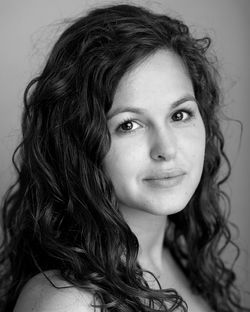
Giovanna Fletcher
It’s day thirty and the last day of National Novel Writing Month. Giovanna Fletcher, the author of Billy and Me offers advice about first drafts and sitting down to write…
Realise that you will occasionally look at what you’ve written and think it’s crap. Don’t panic at that. Just sit down and write. You will get distracted, it’s inevitable, just make sure you give yourself a good telling off and get back to work. Give yourself a target word count everyday. Something realistic and achievable. My target is 1,500 a day – that might seem a small amount to some people, but it works for me.

 by
NaNoWriMo Author Advice: Day Twenty-Nine
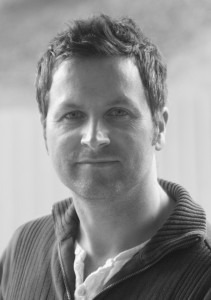 On day twenty-nine of National Novel Writing Month, Jon Rance, the author of Happy Endings, joins us to talk about the internal editor…
There’s a reason why publishers have editors and why every writer needs one. Because it’s a different job than being a writer. The same applies when we’re writing a novel. Writing is writing, it’s creative and visceral. It’s the difference between designing a house and building one. When you’re writing, be a writer. When you’re editing, be an editor, but never confuse the two.

 by
Book Club