NK Chats To… Jack Jewers
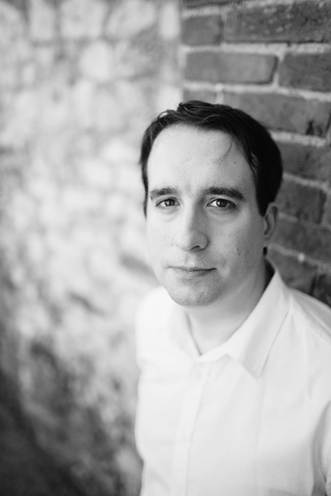 Hi Jack. Thank you for joining me today. Can you tell us about your latest novel, Seething Lane and what inspired it?
Hi Laura, and thank you for asking! Seething Lane is the follow-up to my first novel, The Lost Diary of Samuel Pepys, which imagines what the most famous diarist in English history did after he finished writing his diary. In my version of events, he becomes a reluctant investigator working for the crown. Seething Lane begins when a strange young man turns up at Pepys’s office asking for help. He turns the boy away – an act with far-reaching consequences, which he soon comes to regret. Events lead him from the backstreets of London to the glamorous world of the theatre, where he is tasked with catching a killer. It’s part-adventure, part-murder mystery, and the theatrical world around which the story swirls was partly inspired by my own childhood, as the son of two actors.
What drew you to the historical fiction genre and why this time, place and person in particular?
Samuel Pepys kept his diary for nearly a decade, between 1660 and 1669. He had a front row seat at some of the biggest events in English history, such as the Great Fire of London, and some of his writing makes for gripping reportage. It’s also indiscreet, tender, and often very funny. Then, in the summer of 1669, he just stopped. When I first read his diaries, I was shocked to discover that he actually lived for over 30 years after that, and the little bits we know about his later life hint at a man whose adventures were just getting started. How tantalising that he didn’t keep a diary during those times too. But what if he did? Sounds like a good idea for a book!
What are the challenges when writing a historical fiction novel? What has been the highlight?


 by
by 
Book Club