Novel Kicks Fiction Friday: Cat’s Eyes
 It’s Friday which means it’s time to start writing some fiction.
Fiction Friday is our weekly writing prompt.
The aim is to write for a minimum of five minutes and then keep going for as long as you can.
Once you’ve finished, don’t edit, just post in the comments box below.
Today’s prompt: Cat’s eyes.
Where does your cat go when out on an adventure? I have always wanted to know and been fascinated about what the answer could be.
Your character finds that they have an insider view into the day of their cat. They get to follow them around and see where they go. Write about the day you have.


 by

NK Chats To… L.M Brown
 Hello, L.M Brown, thank you so much for joining me today. What’s your typical writing day like?
It depends on what stage I am at. Before I start a project, whether it’s a novel or a short story, I plan it out. I think of the characters and their main story as well as the backstory.
This could take weeks or months with a novel, especially because I never start a novel now without reading at least 5 or 6 novels that I think might be similar.
With a story it could take an hour or so, and then I start writing. I like to get up before 6 when the house is quiet, and I work all the time I can. The re-write is my favorite part and its much easier to get up at 5 when I am there, because I have something to work with.
What’s the challenges of writing a collection of short stories?
For a collection, there needs to be a common thread linking all the stories together, so not every story might fit the collection.
For Were We Awake, the publisher didn’t think one story fit. It was a story about alcoholism and family dynamics, but Marc believed it was too normal and boring for a collection with ghosts, clowns, exotic birds and murders. So, I wrote a different story, and he was right. The collection was better for it.
What’s your favorite word and why?
I laughed when I read this, such a hard question. I like the word ‘pernicious’, though I can’t say I have a favorite word.
How do you approach the planning process when writing a book made up of short stories? What advice do you have for someone who would like to put together a short story collection?

 by
Novel Kicks Writing Room: Unexpected Journey
 I am excited to be back with the first Novel Kicks Writing Room of 2020.
Today, it is writing about an unexpected journey.
Your character’s day begins like any other.
They wake up, have coffee, see the kids off to school, take the same bus and arrive for the same job they’ve held for a few years.
The plan is to work, go back home, eat with the family, have the same conversations, watch TV and then go to sleep for it all to start again the next day.
Yet, that evening, they are on a train and are far from home.
Write about what happens between work and this point and/or what happens after.

 by
Novel Kicks Fiction Friday: Come Get Father Christmas
It’s Friday which means it’s time to start writing some fiction.
Fiction Friday is our weekly writing prompt.
The aim is to write for a minimum of five minutes and then keep going for as long as you can.
Once you’ve finished, don’t edit, just post in the comments box below.
Today’s prompt: Where is he?
Father Christmas has been kidnapped. It’s all over the news around the world.
However, your character is made aware of this when a red, hand-delivered envelope is posted through their door. The number one has been printed on the front. The note inside reads…

 by
A Moment With…. Lynne Shelby
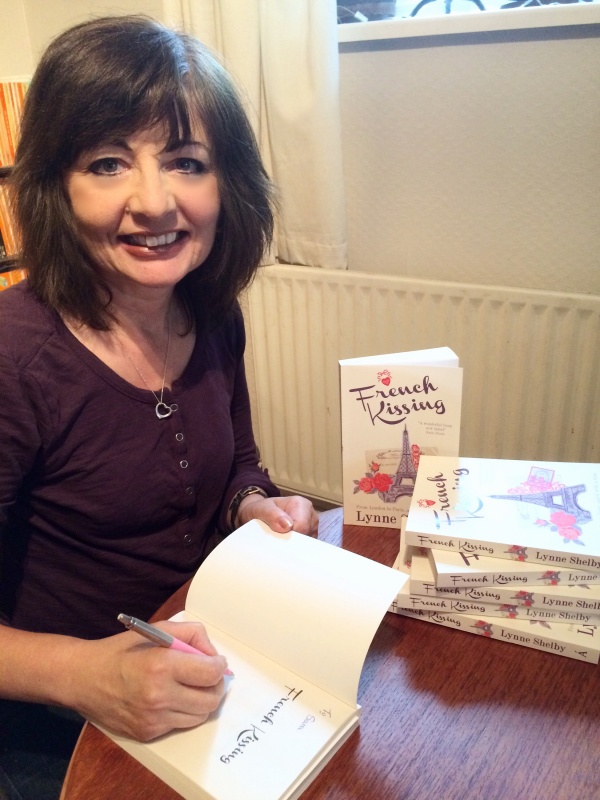 We have entered the last week of National Novel Writing Month. As you get to the end and are contemplating the edits, author Lynne Shelby has some advice about that all important first sentence.
There are no hard and fast rules for writing that all-important first sentence of a novel, but I like to think of it as an invitation to a reader that will make them want to read on, a hint of what is too come without revealing too much.
An effective first sentence establishes an important aspect of the book. You could begin with a short statement of a fact that plunges the reader headlong into the story, or a line of dialogue that establishes the character of story’s narrator.
I think it’s best to avoid long, waffling description as this tends to put readers off, but a short, effective first sentence can set the style and mood of a novel, if it is comical, serious or even shocking!
What a writer is doing with a first sentence is showing the reader that something interesting is going on, encouraging them to take their first step into the world of the book.
Good luck to everyone taking part in NaNoWriMo.
About Lynne:

 by
Book Club