NK Chats To….
Our Author Interviews and Guest Posts.
Our Author Interviews and Guest Posts.
What was your route to publication?
My writing career was launched when Designer’s West Magazine, a slick interior design magazine of the era, approached me and my partner during the time we owned an interior design studio in Southern California. The editor wanted us to write an article for them, and instead of a typical how-to technical article, we submitted a tongue-in-cheek spoof on a noir mystery. It detailed everything in a fun way and the editor loved it. More important, I discovered that I loved writing. The article was so well received, the magazine continued to publish many more of my articles. From there, I expanded to diverse subjects like human interest, dementia, travel and barter, and finally to fiction with the first Silver Sisters Mystery, A Corpse in the Soup.
Your latest book, Writers tricks of the trade: 39 things you need to know about the ABCs of writing fiction. Can you tell us about it and how it came about?
After writing over 200 articles about writing and “Spotlighting” people in the publishing industry for two editions of the online newspaper examiner.com, and constantly being asked if I had a book about writing when I gave talks or workshops, I realized that I had material for one or more great handbooks for writers at any stage in their careers. The book is written in easy-to-read prose like my columns, spiced with humor and examples and covers tips and techniques for 39 important things fiction writers need to know. A bibliography at the back recommends in-depth books about single topics touched upon in the various chapters.


 by
by 
Tell us about your route to publication.
It was more of a maze than a route! The first part was researching other authors’ routes to understand their experiences. Second part was to contact some agents and publishers through the Writers & Artists Yearbook to see if there was anybody with the courage to take it on but the publishing world is not the place it used to be.
Finally, I spoke with New York Times Bestselling Author GP Taylor and he introduced me to Grosvenor House Publishing.
Your debut novel is called Princess Diana – The Day She Didn’t Die. Diana is still a topical and controversial subject. Can you tell us about the book and how it came about?
The book came about on the New Years Eve of 1999. I am a big fan of the Royal Family and I started to think about what Diana would have been doing that night, on the eve of a new millennium. The next day I sat down and laid out the chapters of how her life may have been, had she lived. A classic “What If” novel. It sat there for a decade before I had the time to write it.
Where do you find inspiration?
Inspiration is one ingredient I am not short of. I am a pilot, commercial boat Skipper, scuba diver, skier, canoeist and those are the only ones I can remember! However, this does not just inspire me. Some of the most mundane experiences in life give me the best influences to work with.

 by
by
Tell us about your route to publication.
It’s been a very long route, starting about ten years ago when my children were small and I decided to do an evening class. I chose creative writing and struck gold with my teacher, Jan Henley who encouraged me from the first lesson. I went on to do an MA in Creative Writing by distance learning at Lancaster which really pushed me and helped me find that voice. My breakthrough moment was winning the Yeovil Literary Prize in 2006 with the opening of The Generation Game. I got an agent and finished the novel. However the novel wasn’t sold and so I wrote another which was runner up in the Harry Bowling Prize. I decided to go it alone and rewrote The Generation Game, entered it for the Luke Bitmead Bursary and it won in January this year. It was amazing to finally see my novel published this summer. I have just signed with a new agent and we are very excited about working together on This Holey Life.
Your latest novel, The Generation Game has recently been released. Can you tell us a little about it?
It’s set largely between in a sweet shop in Torquay and spans four decades from 1965 to 2005. Philippa is 40 and gives birth to a daughter. She has had a quirky and at times traumatic life and is worried she will be a bad mother. So she tells her baby the story of her life to help make sense of it. The novel should particularly appeal to those who grew up in that period as the story is set against a backdrop of national events like the Silver Jubilee and the miners’ strike, with references to popular culture, especially Saturday night telly.

 by
by
Your debut novel is called The Bollywood Breakup Agency. Can you tell us a little about it?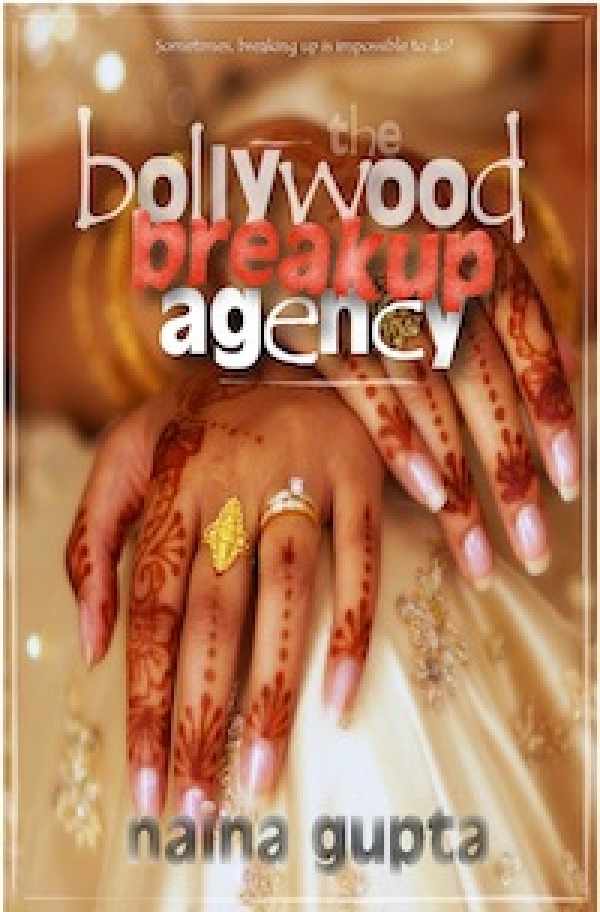
Well the Bollywood Breakup Agency is about Neela, who sets up a breakup service for those who are having second thoughts about the people they have chosen as part of an arranged marriage.
She starts up her business after her parents cut off her money tap because she refuses to marry any of the potential suitors that they keep inviting to the house.
Where do you find inspiration?
I am at that time of life where everyone I know is getting married, about to get married, or thinking about getting married. I have learned a lot about the arranged marriage process over the last three years and the kinds of people my friends and family were meeting, so I thought, there is a book in here somewhere.
Describe your typical writing day.
When I write, it is usually behind closed doors, when everyone has gone to work or gone to sleep. I wrote this book in secret because I was pretty sure my friends and family wouldn’t appreciate someone writing about arranged marriages in this way. I don’t have a typical day, I write whenever there is the opportunity to do so.

 by
by
Describe your typical writing day?
Breakfast, and meditation for up to half an hour. That puts me in the right frame of mind. Then straight to it without checking emails until the afternoon. Later on I’ll read over what I’ve written and fiddle with it, but I won’t usually write any more that day.
Your latest novel, All To Play For was released in October 2011. Tell us about it and how it came about.
It’s a novel about working in television between 1985-2000, which I did more or less, mainly at the BBC. It’s entirely fictitious but true in spirit and in some of the detail. I started writing a story about one of the characters after I left, and I’ve been re-working it ever since, on and off. I don’t know whether to call it a comic novel – it’s funny and but serious too.
Where do you find inspiration?
That’s the easy part, it’s all around. People and the weird way they behave.

 by
by
What was your route to publication?
I’ve always enjoyed writing – it was the reason I trained as a journalist and I’d thought about trying to get a novel published, but it wasn’t until my thirties that I seriously started writing fiction. Over the next couple years, I wrote four novels and learnt a lot! When the opportunity came to publish non-fiction travel guides, I jumped. Even though non-fiction wasn’t really what I wanted to do, I knew it could teach me a lot about the publishing process and maybe even help me get a foot in the door for my fiction. And it did! Prospera Publishing -– the same company that publishes my non-fiction -– published my debut novel ‘The Hating Game’ and has also published my next novel, ‘Watching Willow Watts’, out now.
Describe your typical writing day?
Coffee. Writing. Wine! I’m at my desk around 7:30 a.m. or 8, because if I don’t sit down early, I can procrastinate for hours. I write until lunch, take a break, then spend the afternoon answering emails and doing social media.

 by
by To Plot… Or Not?
Plotting has always been a source of great debate amongst writers. Should you, or should you not? Many authors dive right in to their manuscripts, content to ‘write into the mist’. Personally, I am not a ‘writing into the mist’ kinda gal – I’m always afraid I may never emerge! I need something to drive toward, and I have to know where my character will end up, when everything is said and done.
But how much plotting is too much? After all, you don’t want to stifle any creativity that might occur. New characters could pop their heads in, just begging to be written. Events might not always happen according to plan – in life and in fiction.
I always start with a few key questions. What does my character want? Who or what will stop her from getting it? And by the end, how will she have grown and changed? In Watching Willow Watts, my most recent novel, Willow begins her journey as a person who’s keen to keep everyone happy. By the end of the book, she’s learned that her own happiness is important, too, and she needn’t lose herself to please others. Continue reading

 by
by
What was your route to publication?
I wrote eight books before under a different name, had too many kids to continue writing. When the ‘baby’ had started school, I felt the ‘urge’ again. I showed no-one until I’d finished, gave it to my old agent under my ‘real’ name and prayed. Luckily, Penguin bought it very quickly.
Describe your typical writing day.
I strap on my trusty, ancient dictaphone and vomit into it until I’m so exhausted I’m falling over.

 by
by
What was your route to publication?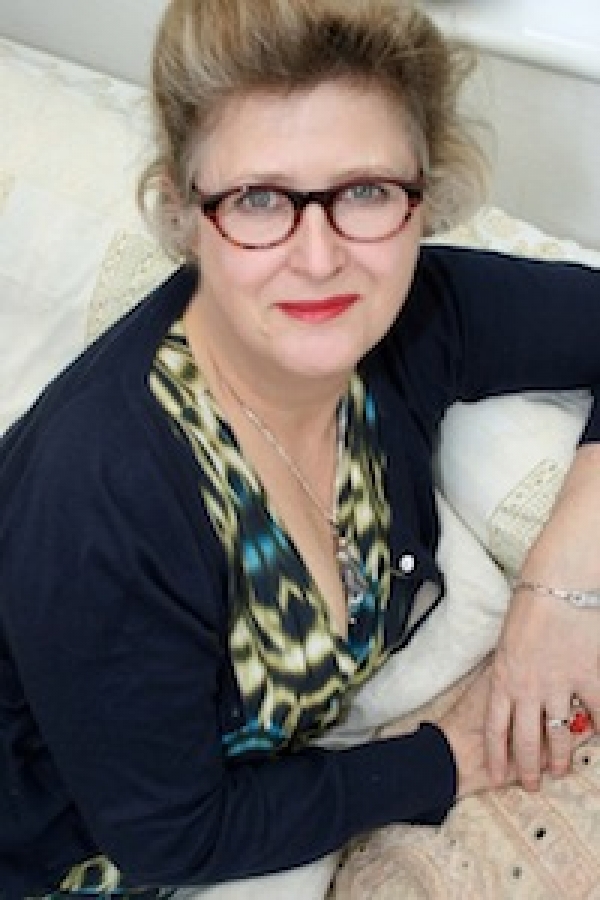
I started writing illustrated books for 5 to 8 year olds and I have to thank my then editor at Orion, Judith Elliot, for seeing I had potential. I had worked in the theatre before where my dyslexia had proved to be a problem, and I was quite convinced when I wrote my first book for small children that again it would be seen as a huge hurdle. It was a complete surprise to me to find that it was no bar to being writer. In fact, Judith believed it’s what gave me my voice.
Describe your typical writing day.
I usually work in the mornings in my dressing-gown in the hope that I can hold back the day – I’m always shocked to discover that it’s 12.30pm. In the afternoon I find myself to be slightly sleepy so I tend to go for a walk and then I usually work until about 1am.

 by
by
You’ve recently got involved with loveahappyending.com. Can you tell us what the website does, what it means to you and how important you think Associate Readers are?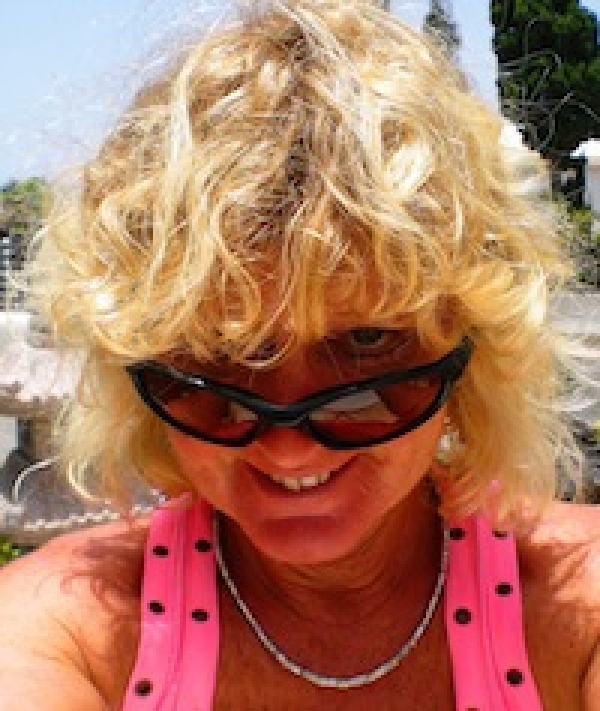
I am one of just 30 authors invited to show case their writing. Loveahappyending.com is a new and exciting web site that concentrates on two main areas: reader power and helping new authors to the market place. It is through the activities and involvement of each member and particularly the Associate Readers that a wider audience is getting to know about all of the authors. Being part of group creates more opportunities to spread the word rather just a single voice. Since being invited to join, I have seen more reviews on my books and *blushing* several more 5 star ratings.
Loveahappyending.com is international there are Associate Readers and authors from the UK, USA, Canada and even me from the Canary Isles! If anyone is interested in becoming an Associate Reader, please visit http://www.loveahappyending.com There is so much going on. In fact, I am the editor for the online chatty magazine The Fizz and also Head of Communications. Everyone in the group gets involved giving some of their time to helping other members.
Where do you find your inspiration?
Anywhere and everywhere! I find inspiration and ideas from sometimes just a word or a phrase, listening to music, reading, watching people, talking to people, out walking the dog. Just being aware of others. Life is so interesting and fascinating.

 by
by What do you do when you get invited to meet Jane Fallon at the Ivy? You get yourself down there as quickly as possible.
Jane, Helen and Laura
Joe from Penguin and Helen.
Novel Kicks got to go to the Club at the Ivy to meet the lovely Jane Fallon, author of Getting Rid of Matthew, Got You Back, Foursome and her latest, The Ugly Sister which is due out on 29th September 2011. Thank you to the guys and girls at Penguin for a wonderful night.
Helen and I arrived and we were immediately taken aback by the Ivy. I’d never been to anywhere like that before and I was so excited to go in and have a nosy around (and not actually be thrown out again.)

 by
by 
I’d had to give up my radio journalist’s job at the BBC because of childcare commitments (my daughter has special needs) and I found myself sitting at home at a loose end, feeling terribly downcast. We’d bought a new computer at the time and I’d promised my husband I’d write four pages of text so he could teach me Word functions. It sounds a bit crazy but, once I started writing, I couldn’t stop and, very soon, my planned four pages had grown into a 300 page memoir! That went on to become my first novel, ‘Ancient Promises’ (and, yes, by then I had learnt to use Word to do all that nifty spell-check stuff). I was one of those lucky few who didn’t have to search too hard for an agent, even though I did get my share of rejections at first. It seemed to make sense to look for an agent who had already had success with a book set in India so I located David Godwin, Arundhati Roy’s agent, and sent three sample chapters to him. You can imagine how chuffed I was to get a call from him a few weeks later asking to see the rest.
Where do you find inspiration for your novels?
From all over the place – chance conversations, overheard remarks, a story in the newspaper. The latter was the genesis of my most recent book, actually – ‘A Scandalous Secret’ – which sort of emerged from a picture I once saw in the newspapers of Claire Short with the long-lost son she’d given away at birth. Sometimes ideas implant themselves and quietly germinate away and then quite suddenly spring to life when you’re least expecting it. Essentially a novelist has to be deeply interested in life and in people and enjoy a bit of amateur psychology to figure out what makes them do the things they do.

 by
by
What was your route to publication?
I never even considered sending my book to a “proper” publishing house. My instinct was to release it myself via the net. My first one published was a book on the actor Malcolm McDowell.
You’re also head of Wisdom Twins Books, which is based in Leeds. Can you briefly explain the history of Wisdom Twins Books?
I started it in about October 2009. Just before that I had the Malcolm McDowell book out via a publishing service which was instantly, as I learned, a mistake. But after that I had the permission to write this book about the ex Stranglers’ singer Hugh Cornwell and his latest album. It was really exciting putting it together, interviewing the band and producer and getting exclusive unseen pictures for it. I was a big fan at the time. But I couldn’t even think which publisher could get it out and printed in a month, because his tour was coming up in November and they wanted to sell it at his concerts. So when I had finished it in late October I started up the site “Wisdom Twins Books.” I got the name from two characters in a book of mine called Cutey and the Sofaguard. From then, it just made sense to release things via that site. At first it was the free magazine Hound Dawg, then the audiobook read by Rik Mayall of Cutey and the Sofaguard. So for me starting it was a great thing and it all was really exciting and satisfying from the beginning.

 by
by
What was your route to publication?
In my mid thirties I gave up my career to study English & Creative Writing at university. In the five years that followed, I worked on my first novel, and at the advice of my tutors, entered lots of writing competitions in the hope of publication. My first prize was for a shortlisted poem in the Bridport Prize, and after a couple more small awards, my big break came when an extract from Glasshopper won the Mail on Sunday Novel Competition in 2008. My novel was quickly picked up by an agent, Adrian Weston, and went on to be published by Myriad Editions in September 2009.
Where do you find inspiration for your novels?
So far, the stories have always started with a clear character and the idea of one specific drama. For example, in Glasshopper, Jake came along pretty fully formed, and the initial drama was the idea of ambiguous parentage, sparked by watching some terrible reality show on TV. This didn’t remain the vital point of drama in the story, but it was the seed that grew. In Hurry Up and Wait, the starting point was the idea of vulnerability, and it developed into a story about the treachery of friends and inappropriate relationships.
For someone new to your novels, can you briefly describe your writing style.
That’s a hard one! I like to write in real, accessible language – but about the complex emotions in everyday situations. I’m fascinated by family and by the cultural world around us, which is probably why my first two novels are set in the 1980s. It was a decade of enormous social change, impacting on the family and the individual – which makes it ripe for storytelling. I love Maggie O’Farrell’s writing for that reason – she writes about the extraordinary within the ordinary.

 by
by  Laura has asked me to write a few words about Indie publishing as my latest book, Sometimes It Happens… is published on Amazon Kindle. The ease in which you can publish your own book has changed dramatically over the last year. E-book publishing is now extremely fashionable with sales souring and in some cases outselling conventional paperback / hardback books. Adding to this, the launch of the Kindle and iPad has created a whole new experience in reading.
I choose the route to Indie publish for several reasons, but one main reason is that I don’t live in the UK. I live on the beautiful island of Lanzarote in the Canary isles. There are many good reasons to live here, but it does distance me from agents and publishers who like their clients to be closer at hand. So in light of my location, I decided to publish my books independently.
Independent publishing does mean you do everything; from publishing to marketing, and you can do much of the necessary steps yourself, but there are stages in your writing when you do need to use a professional. For my third book, Sometimes It Happens… I was fortunate enough to work with the brilliant author, Helen Hollick. www.helenhollick.net
Helen has been my writing guide and editor and saw me through the entire manuscript of Sometimes It Happens… Her expert eye checked for continuity, believability, repetition and so much more. These are areas that as a writer you cannot always see yourself and a fresh, experienced set of eyes can. My published book as to compete with all the other well written books in this highly competitive market, therefore it not only must be a good read, but a professionally polished publication. I cannot stress enough the importance of having an editor to check your writing. Helen’s help has been invaluable and her knowledge and experience has taught me so much more. Continue reading

 by
by This is a post from Lynn Shepherd (taken from her blog) about how she went about ‘Ghosting Austen’
I was writing Murder at Mansfield Park when The Duchess came out on film, and I heard it being reviewed on BBC Radio 4. The critic said she loved the authentic settings and costumes, but felt it was let down by the script – especially the reference to Georgiana offering to ‘make a deal’ with her husband, when what she would actually have said was ‘make a bargain’.
It was a salutary reminder of what I already knew – even relatively small things like this will cumulatively detract from the authenticity of your prose. Right from the start, I’d always been determined to get this aspect of the book right – perhaps it’s the academic in me – but I knew my novel would never pass muster with the true Austen fan if it didn’t pass the accuracy test.
In practice this meant downloading all the novels, and checking pretty much every word as I went along. It sounds time-consuming – and it was – but imagine trying to do that before computers and wordsearch! The other key aspect of this process was to check not just if a word was used, but the context in which it appears. For example, my copy-editor came back to me after her first reading, and asked if we could change ‘the mood in the room’ to ‘the atmosphere in the room’ in one scene. I said I wished I could, but Austen never used the word ‘atmosphere’ except in the context of the weather. Again, it’s the little things. Continue reading

 by
by
What was your route to publication?
That’s a long story! I wrote satirical novels for years without getting published, then wrote two light Regency Romances which were published by Hale and large print editions. But after that I went back to the satire and remained unpublished again until I was taken on by top London agent Judith Murdoch. She called me down to London and during three hours tore my current novel to shreds, then told me how to put it back together again.
Almost the first thing she said to me was: ‘Trisha, this romantic comedy hasn’t got any romance in it!’ Which of course it hadn’t, because it was satire. But once I realised that simply adding a romantic element to what I was already writing would enable my books to fit into the romantic comedy genre (which is a very wide one), I went straight back home and did just that. Good Husband Material was published by Piatkus, the first of my romantic comedies.
My fourteenth novel, Twelve Days of Christmas, came out at the end of last year and my next, The Magic of Christmas, will be out this October. I’ve been shortlisted for the Melissa Nathan Award for romantic comedy two years running, and Every Woman for Herself was recently voted one of the three best romantic novels of the last fifty years: both were great honours.

 by
by
What was your route to publication?
I started writing with the goal of publication in 2000, and as soon as I’d finished my first manuscript (which was aimed at Harlequin Mills & Boon), I joined the Romantic Novelists’ Association (RNA) in the UK and Romance Writers of America (RWA). I submitted my first ms to Harlequin and it was quickly rejected. I then submitted it to the RNA’s New Writers’ Scheme, which gives unpublished members a critique of their full manuscript by a published author. The critique told me I was pretty much doing everything wrong—but that I did have an engaging writing voice, and, occasionally, a way with words.
I was encouraged enough by that to keep on writing and submitting (and being rejected). In March 2004 I was thrilled when my fourth manuscript, Featured Attraction, finalled in the RWA Golden Heart contest, which is the biggest contest for unpublished romance writers in the world. Three months later, I got a phone call from an agent telling me she was interested in representing my fifth manuscript, a stand-alone romance novel called Spirit Willing, Flesh Weak. And a month after that, in July 2004, I got a call from the senior editor at Harlequin saying they wanted to publish Featured Attraction.
So after years of hard work, the getting-accepted bit happened very quickly. Publication of my first book was delayed, but I kept on writing and selling, with the result that in 2006 I had five books released by two different publishers. Since then I’ve moved on to writing commercial women’s fiction for Headline Review, which is a dream come true.

 by
by
What was your route to publication? 
I started my career as a journalist working for the teen magazine Just Seventeen. After going freelance I decided to have a go at finishing the novel that I’d begun when I first moved to London and a year and several million rewrites later it was done.
Had you always wanted to be a writer?
Absolutely. I started out wanting to be a music journalist because I was a huge music fan and then moved into the teen stuff because growing up I’d been a huge fan of mags like Smash Hits. I think the truth of the matter was that I wanted to write stuff that made people laugh but also told the truth in some small way.
Where do you find inspiration for your novels?
The basis of all my novels are relationships between men and women mainly because I find them so fascinating. No one relationship is the same and so it feels like there are as many stories to tell about relationships as there are relationships. Also, they’re funny. Few things in life beat the joy of watching a couple arguing in IKEA.

 by
by
What was your route to publication & did you always wanted to be a writer?
I first began writing when myself and a fellow fan began writing a story on singer, Ronan Keating’s message board, the story became so popular the website would sometimes crash because there were so many people trying to log on to read it. Such was its popularity we eventually sold the story for charity, and I went on to write a further two more stories to raise money for Ronan’s cancer awareness charity -The Marie Keating Foundation. It was after that I thought I should have a go at writing a ‘proper’ novel!
From Notting Hill with Love…Actually was the third full length novel I wrote after the stories on Ronan’s website. So I’ve had my fair share of rejections like most other authors, but for some reason I just kept going with this book even though like the other two the pile of rejection letters was starting to get higher and higher, but I just had faith in my story and knew that one day someone would love it just as much as me and want to publish it, and luckily I was right!
Where do you find inspiration for your novels?
‘From Notting Hill with Love…Actually’ came to me when I was watching one of those countdowns on the music channels – ‘100 greatest Movie theme tunes.’
As each of the songs came on to the screen I realised the movies were so well known I knew exactly what was happening even without dialogue, and I thought wouldn’t it be wonderful if I could get all those great movies into one story, and that’s how the idea began to take shape. And I got the idea for my next novel ‘Breakfast at Darcy’s’ from a conversation I had with my husband when we were on holiday in Ireland about the difficulties in living on a remote island if you were to buy one, or in my main character Darcy’s case, inherit one!

 by
by
Describe your route to publication? 
I’ve always dreamed of being a writer but I bided my time. I wrote one novel and didn’t even submit it, it wasn’t up to it. I waited until I was at a stage of my life where I knew I had something compelling and different to write. I worked on my novel three times a week for three hours and for five hours at a weekend, while holding down an extremely busy day job. I was very disciplined and determined. I then did lots of research on which agent might be interested in my kind of work and yet more research on how to present my work to best advantage. It paid off because the agent I approached did like my pitch and encouraged me. It took just 3 months from my initial approach to my agent until he secured me a deal for my first novel, Playing Away.
How do you approach a typical writing day?
I tend to write in term times to coincide with my son’s school schedule. So I’m normally at my desk at 8.30am ish and I work through until 3.30pm, stopping for a quick lunch. I do my best work in the mornings, so after lunch I often re-read, self edit or research. Obviously kids hols are longer than the normal hols or a working parent so sometimes I am writing when my son is not at school, it requires a lot of discipline (from both of us!) especially on sunny days. I think ‘waiting for the muse’ is an indulgence. I sometimes don’t feel like writing, but I just force myself to get on with it and I’ve found that it’s often when it’s hardest that the work is best.

 by
by Riva Shaw is the author of the ‘Circle of Fire’ trilogy, the first in the series is available now. Novel Kicks was excited to have a chat with Riva. We asked her who she’d have round to dinner and what tips she had for new writers.
Describe your route to publication?
My novel is published through YouWriteOn.com which is effectively self-publishing. I decided to go it alone because Circle of Fire is not easy to categorise and agents and publishers are not happy to take on something that falls between two genres. I know that I risk being told that I am not a proper writer, but hopefully readers will just judge the books on their own merits.
How do you approach a typical writing day?
I don’t really have a typical writing day. I write wherever and whenever I can, either straight on to the computer or in notebooks to be typed up later. Sometimes I will write more if I snatch a few moments here and there than if I have a whole day to play with.

 by
by
Where do you find inspiration?
All over the place. I read a lot of newspapers – you find the most fascinating ideas and stories in the corners, and in the announcements sections. Small ads. Births and deaths. Court reports. It’s all a real story that’s happened to someone, and affected their lives in extraordinary ways. I browse the internet constantly (far too much, actually), especially American eBay, and wonder about how things got there and why. I also gossip, and eavesdrop. A LOT.
Briefly describe what your latest novel ‘Walking back to Happiness’ is about.
When Ben Falconer dies unexpectedly at the age of 32, Juliet loses her childhood sweetheart, and their terrier Minton loses the master he worships. Juliet’s mother Diane feels terrible about interfering with Juliet’s self-imposed isolation in her unfinished ‘forever house’, but she needs someone to petsit the family Labrador while she, in turn, babysits her other daughter, Louise’s, toddler during the week. Since dogs are the only company Juliet can face, she agrees, and soon she’s walking all over Longhampton with her growing team of silent but friendly companions. But the dogs are easier to manage than their owners, and when Juliet starts to petsit a beautiful spaniel, all sorts of secrets are unleashed…
(I’m not very good at synopses – they tend to go on for pages, which is why I hand all cover copy duties to my excellent editor, Isobel!)

 by
by
What was your route to publication like?
My first attempt at writing fiction was internet fanfic: a pastiche sequel to Elizabeth Gaskell’s ‘North and South’. I had a go at getting it published, without success – mainly because it was embarrassing tosh! But straight after that novel I began another – contemporary, humorous – and that was what became my first published novel, ‘More Than Love Letters’.
Publication wasn’t a smooth ride. I must have tried every literary agent in the known universe – and in the end found my own lovely agent by pure fluke. He was listed at the time as handling non-fiction only, and I approached him by mistake, but he just happened to be looking to get into fiction, liked the book and took me on.
Where do you find inspiration?
‘Inspiration’ always seems the wrong word to me – like something external and sudden and mysterious. The reality is far more mundane: I just write what I see about me. I tend to choose settings I know, and I draw upon observation of the people and relationships that surround me.

 by
by
What was your route to publication like?
I completed In Sunshine and in Shadow, as the manuscript was originally called, began submitting, failed to interest any agents and then decided to shelve for a while and get on with some short story writing. Then a conversation at work about hobbies resulted in the manuscript being circulated for a few book lovers to read. Up until that time my work had been for my eyes only so I had no idea how it would be received. I asked for honest, constructive feedback and what came back was so positive that I knew I had to finish the journey and get it published.
Describe your typical writing day?
As I work full time I have to squeeze my writing into evenings and weekends; it’s whenever I can tuck time in. I do, however, make sure I have protected periods to actually put my thoughts onto the PC. I usually manage a couple of hours each evening and, social life permitting, at least five hours at the weekend. Also a notebook and pen in my bag are a must so I can scribble ideas down as soon as they come into my head.

 by
by
Are you Skeeter?
No, I am definitely not Skeeter. I was never that brave. Growing up, I don’t recall giving a second thought about the situation between blacks and whites. Honestly, it wasn’t until twenty years later, after Demetrie’s death, that I started to think about how complex, and imbalanced, our relationship was. Not to mention, I am five foot two. My hair tends to frizz year round, but I have yet to find a Shinalator that works.
Is there going to be a movie?
The option for film rights have been sold to Tate Taylor and Brunson Green, both filmmakers living in Los Angeles, originally from Jackson. I am so proud and so excited that the film is in the hands of Mississippians. They saw and lived it right along with me.

 by
by
Where do you find your inspiration?
I find inspiration from all around me. I love to sit in coffee shops and just take in the chatter.
Describe a typical writing day?
When I’m planning a book, I head to a coffee shop with a notebook, where I sketch out the plot, bits of dialogue and scenes. When I’m actually writing, I start first thing and aim to write a thousand words. I then take a break, but might return to edit what I’ve done in the evening.
Mini Shopaholic has finally arrived in shops. Was it nice to return to Becky Bloomwood?
It was an absolute joy! I love Becky so much, not to mention all her family and friends, so to return to her is like catching up with a world which has been continuing on all this while.

 by
by
Describe your typical writing day? 
My typical writing is day starts after I’ve dropped my little girl off at school, on the days when I have someone to look after my baby. If things are going well I work in my office, looking out over a stream. But if I’m stuck I go to a cafe and work there – I don’t know why noise and people seem to help me think.
Where do you find inspiration?
I find my inspiration everywhere. From my own life certainly, my own experiences and how I would feel in some of the situations I put my characters in. Also conversations I over hear, people I meet, or see in the street. Sometimes even from virtual friends I have never met in real life!
What was your route to publication like?
My route to publication was actually quite smooth. I won Company Magazine Young Writer of the Year in 2001 and that opened a lot of doors for me, got me an agent and my first book deal. But even once you are published life as a writer is a rocky one, full of ups and downs. I don’t think the struggle to keep going ever stops!

 by
by
Describe your typical writing day.
I get up quite early considering I don’t need to commute, and then I give my kittens breakfast and wait for them to come and cuddle me in bed. Then I eventually get up and do a few bits and pieces and settle into writing. I’ll either start writing as soon as I hit my laptop, or I’ll spend an hour or so responding to emails and messages. When I start writing I tend not to stop, so I can be on my computer for up to ten hours without a break. If I’m in the zone I don’t want to be out of it.
Do you plan before starting a book?
I plan an awful lot, only to disregard most of it when I’m writing the manuscript! I know what’s meant to happen in each chapter, and in each scene in a chapter, but often my characters end up saying things or doing things differently to how I imagined, so I have to go back and change the plan. I revise the plan about four times while I’m writing a novel.

 by
by
What was your route to publication?
I wrote I Heart New York about three years ago, sent it out to every agent under the sun and then sat twiddling my thumbs while the rejections came in. Eventually, a super awesome amazing agent agreed to meet with me and discuss how we might work together. But when we met, it transpired that she hates I Heart New York and wanted me to work on something else. Since I was a) stubborn and b) a little bit in love with the book, I walked away from the agent (shatting myself that I would never find another) and asked a friend at HarperCollins if she knew any agents I could talk to. Amazingly, she passed the manuscript on to the publisher of the commercial women’s fiction team who read it, loved it and offered me a three book deal. It goes without saying that I was incredibly, incredibly lucky and am super grateful every day for that agent telling me I Heart New York was shit. And that I would have to use a pseudonym because my name sounded like a cat being sick. She was a delight.
Describe your typical writing day:
Sadly, there’s no such thing! I’m currently still working full time as an editor in children’s books so all of my writing happens at night. That suits me anyway because, for some reason, I just can’t seem to be personally creative in the day. It’s weird. I can work wonders on the books I’m editing but as for writing my own stuff, it just won’t come out. I’m a night owl, so it suits.

 by
by
Describe your typical writing day?
I love writing early in the morning, and even more so going to bed thinking that I shall get up early tomorrow to write. There is both a peace and energy about the house first thing in the day – I am aware that my family are asleep beneath me (my writing room is at the top of the house) and that they may wake up soon (although this got less likely as they all became teenagers) so there is a limit on how much time I have. It’s a bit like driving sleeping children in the car at night – you feel responsible, alive and excited.
Once I have written for a couple of hours I stop and then find myself sneaking up to edit or add bits throughout the day – but the main sweep is always done in the morning.
You’re a publisher as well as a writer; what advice do you have for writers submitting work?
Don’t submit until you are ready to be judged by your work. It doesn’t matter how good the marketing package is, or how enticing your cleverly drafted introductory email, if the work is not as good as it could be, it will show. Given that my particular expertise has been marketing it may be ironic for me to say this, but there’s a growing strand to some writing about writing that puts forward the thesis that all that matters is the marketing. It doesn’t, the writing has to be the most important thing.

 by
by
Have you always wanted to write?
I spent quite a long time wanting to be a writer. The only thing I wasn’t so keen on was the actual writing. It’s a bit like that Mark Twain quote about a ‘classic’ book being something that everybody wants to have read and nobody wants to read. I wanted to skip the pencil buying, back ache and paper cuts and have the finished novel in my hands. When I got to university I started penning terrible autobiographical bits and pieces, but I was too preoccupied with other things to have a serious stab at developing any kind of craft. I did a lot of reading, though. With hindsight, that helped me learn some of the tricks a novelist needs.
What was your route to publication?
I’m 29 now. When I was around 25 I had a kind of quarter-life crisis. It wasn’t anything particularly dramatic. I didn’t buy a Porche or run off with anyone inappropriate. But I was sitting in an office in the City all day, wolfing down soggy sandwiches at my desk, and I realised that I hadn’t made any inroads into this niggling ambition of mine, this desire to be a writer. So I started to write more seriously. And then a twenty-something friend of mine published a novel and it did well. The sense of envy probably gave me the final push I needed. I ended up taking six months off work to write full-time. At the end of that period I sent the first three chapters off to a few literary agents, and I was fortunate that Clare Alexander liked what I had sent. We worked together on getting the full manuscript into shape and, a few months later, Jason Arthur called and offered me a two book deal with Random House. I’m skipping over the rejections and the days when things seemed genuinely bleak, but the truth is it all happened very quickly and I was lucky in all sorts of ways.

 by
by
What was your route to publication?
I already had an agent (Ben Mason, now at FoxMason), so I did get a lot of support through the writing process, but we were really unlucky to end up pitching the book to publishers in January 2009, at just about the worst point in the recession, when no-one wanted to take a chance on any author without a cast-iron track record. But my agent was incredibly persistent and determined, and we eventually got an offer from a lovely indie publisher in London, Beautiful Books. And that seemed to open the floodgates. First we got the US and Canada with St Martin’s Press, and then Allen & Unwin in Australia and New Zealand, and there’s a Spanish version in the works now too.
Have you always wanted to write?
Absolutely – having Murder at Mansfield Park published is a 24-carat lifetime dream-come-true. Writing is something I always wanted to do, but I only sat down and started to work on it properly 10 years ago. That first attempt was a modern mystery story based round the discovery of a long-lost manuscript of Mansfield Park, and included my first attempts at Austen pastiche (in fact I re-hashed quite a lot of it for the latest one). That one didn’t quite make it, but it was an invaluable apprenticeship in the craft of putting a novel together. Like a lot of would-be writers, I studied English at university, but it’s a long way from there to writing something decent of your own!

 by
by
What was your route to publication?
My route to publication was through the Romantic Novelists Association. They have a New Writer’s scheme whereby unpublished writers can submit their novel to the association where it will be read by a published novelist and a report written on it. The organiser of the scheme that year was a scout for a new literary agent. The organiser was Dr. Hilary Johnson, who is now a book doctor, and the agent was Sarah Molloy of A. M. Heath. Sarah found me a publisher before the book I wrote after meeting her was finished.
Have you always wanted to write?
I wasn’t aware I always wanted to write until I was in my twenties but I realise I lived so much of my life in my imagination and so was a bit slow on the uptake.
Do you have a planning process before sitting down to write a book?
I do plan my books a bit, but I often start before I’ve finished planning properly because I just can’t wait to get on with the story.

 by
by
Describe your typical writing day?
Woken by 2 year old hurling himself on bed, feed, bath and dress baby, 2 year old and 4 year old, take 4 year old to school, prevent 2 year old from sneaking into school again, hand over two littlies to my fantastic housekeeper Geri, go for a jog or a walk down the beach depending on how energetic I’m feeling; have a bath, spend one hour on one project; take laptop down to local bakery, have a coffee and a pain au chocolat, write 2000 words, rescue littlies at 1.30, play with them all afternoon, pick up 4 year old from school, usually with a couple of his wee friends in tow, cook supper, throw them all into bed, collapse on sofa with knitting and chocolate, fall into bed. That’s whilst my husband’s away working; when he’s home he picks up a lot of the slack!
What was your route to publication? Had you always wanted to write?
I did want to write but I viewed it in the same way as I viewed becoming a popstar or an olympic gymnast; nice idea in theory, unlikely in practice. I was working in a hospital and tried out a little bit of stand up- I was absolutely terrible, but I found I could write things that were funny, even though I wasn’t very funny as a performer. It was the biggest confidence boost of my life. After that I tried everything- cartooning, sketch writing, performance poetry; children’s stories, and the one that worked for me was a novel I wrote in my lunch hour. Nobody was more surprised that me when it finally happened; it was like ‘no, no, no, no, no, YES.’. You can have a million ‘nos’; all you need is one yes.

 by
by
So you’ve decided that you want to write. Then start straight away. Start by jotting down all your thoughts related to what you might want to write about. I find that words grow words and the more you write, the more your word power will grow. Don’t worry if your words are not coming fast enough, they will. But most importantly don’t be put off by what is deemed as correct at this stage. Just go with the flow of your thoughts and imagination. Think of your writing as if it was a piece of music that makes you stand up and dance even if you don’t know the right steps or movement, it doesn’t matter because you just want to dance until the music stops. Approach your writing in the same way. Relax, enjoy and write. There will be plenty of time for tidying things up later. Just don’t be afraid.
Once I start writing, ideas, words, phrases begin to rattle around in my head, even characters can turn up unexpectedly. A character in one of my short stories was written from a conversation that I had with my neighbour. She suddenly started talking about a friend who had used a private detective to find her estranged husband. I knew this would make a good short story and as soon as I got back home, I wrote down all my thoughts. From this an outline of a story emerged. After much editing and rewriting, my short story was finished and I titled it, Without a Shadow of Doubt. It is one of the sixteen short stories I have written and will appear over the coming months on my web site.
For me, writing is not a switch that I turn on and off, the writing process is there all the time. I am listening and watching everything around me because something that I see or hear just might form part of one of my stories. So if you want to write, don’t be afraid to do have a go. Write with passion and energy and remember; write to enjoy and enjoy your writing!
For more information about Pauline Barclay and her writing, visit her web site: www.paulinebarclay.co.uk

 by
by
Where do you find your inspiration?
Anywhere and everywhere! I find inspiration and ideas from sometimes just a word or a phrase, listening to music, reading, watching people, talking to people, out walking the dog. Just being aware of others. Life is so interesting and fascinating.
Have you always wanted to be a writer?
I have always enjoyed writing, when I was at junior school, I wrote a song and it was sung at one of the school’s parent days. Just before we all started to sing, the teacher announced who had written the song and to my horror she gave the credit to the wrong Pauline! I eventually got over it and since then I’ve left song writing to others. My real passion is writing and during the last fifteen years I have written over sixteen short stories, as well as my two published novels, Magnolia House and Satchfield Hall, I have also written two other full length stories. These still sit in the archives of my computer! Away from my passion of fiction writing, I spent many years as a communications manager. This work entailed writing in-house magazines, press releases for the specialist international press, pages for web sites etc. So much of my life, one way or another, has been very much involved in writing.

 by
by
Describe your typical writing day?
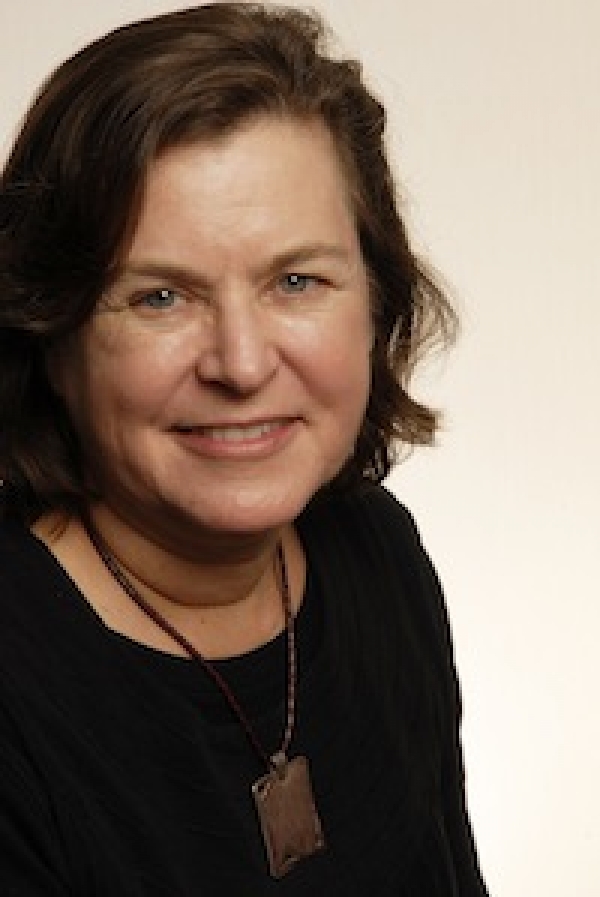
Author Photo: Beth Gwinn
On my typical writing day I don’t write. Sad, but true. I answer my email, I check out various blogs I like, I answer more of my email. Then it’s lunchtime. I believe I’m going to start to write at any moment, but after lunch I have more email and all the blogs have updated. The dog needs to be walked and it’s time to start dinner. Besides, by late afternoon I’m too tired for the sustained concentration of writing a book. I’m disappointed, but strangely optimistic about tomorrow. Which may or may not be a rinse and repeat sort of day.
Where do you find your inspiration?
Anywhere and everywhere. I eavesdrop when strangers talk – very easy in this day of the cell phone. I misunderstand the lyrics to rock songs in a fruitful way. I get ideas from reading other people’s fabulous stories and poems. And history books, of course. Especially inaccurate history books – history books with attitude and agenda. Scientific studies, especially if I only know about them because of eavesdropping (see above.) I find that a little bit of information about something is much more inspiring than a lot of information about it. Though if the story I want to write needs a lot of information, I’m happy to go and get it.
What’s your editing process like?
I love rewriting – much more pleasurable than the first draft – so I do a ton of it and I do it everyday. I’m always polishing the language, moving the scenes about, changing the location, changing the time period. Tinker, tinker, tinker. It’s the best part.

 by
by
 I Changed My Career – So Can You! A former teacher who became a professional writer is hoping to inspire others to pursue their literary dreams. Deany Judd spent ten years teaching teens at a Glasgow comprehensive before changing careers and becoming a freelance features writer for the national press. Now, together with a team of published authors, she has launched Literary Chicks – offering online writing courses for wannabe writers. The web based company will offer a variety of topical online writing courses for today’s newspaper, magazine and book publishing markets.

 by
by
Describe your typical writing day?
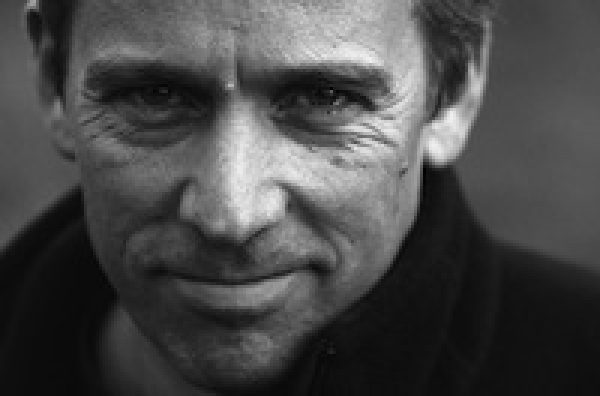
Author Photo: Mari Fforde.

 by
by
Where do you find your inspiration?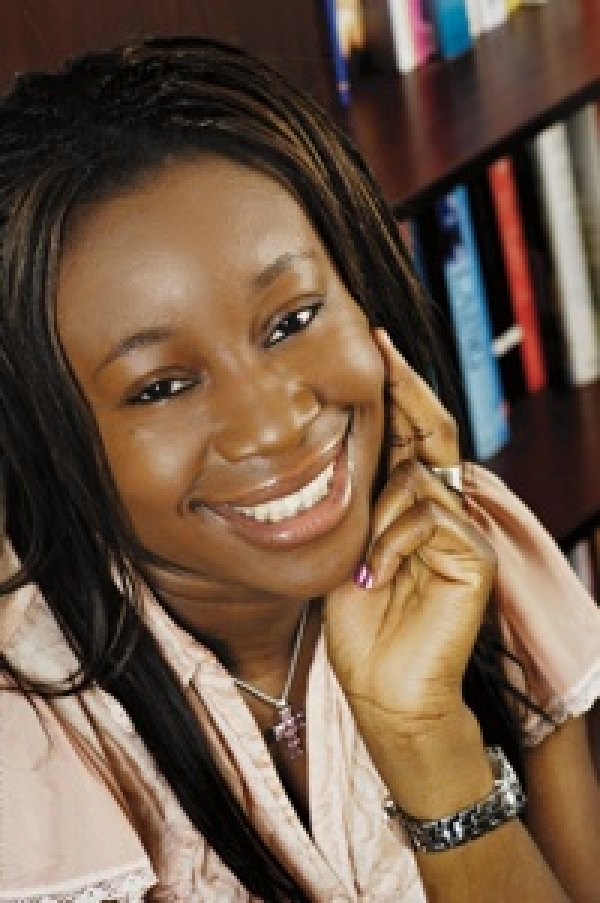
It varies. I can be on a tube or watching TV and an idea can pop into my head! For my first book By the Time You Read this… I was slap bang in the middle of a real writing slump – not feeling very inspired and basically in ‘writers block zone’ – as I sat in my PJ’s watching The Oprah Show about a dying mother who left a collection of keepsakes for her daughter. The story was very, very moving and afterwards I began to think;
What if there were no computers, DVD’s, MP3’s, computers, or video cameras on phones?
What if this was a father?
What if he simply wrote a letter to his daughter?
What if I switch on my computer and see what happens…?
I did and By The Time You Read This… was born!

 by
by
What was the inspiration behind your planets series?
I was inspired to create the series when I was making a documentary about solar eclipses. My business partner at the time was doing some research and was shouting out really interesting facts and figures about the solar system across the office (like for example – why do the moon and sun appear to be the same size in the sky when the sun is 400 times bigger than the moon? Because the sun is 400 times further away from us!) That day I went back to my office with my head full of beautiful images of space and the planets and just thinking how stunning and exciting space really is and I wondered how I could get children excited about space. I decided the best way would be to make the Planets themselves tell their own story and allow the readers to connect with the Planet characters in a really exciting way. The idea was born very quickly after that.

 by
by What’s your inspiration?
Life, really – I just tend to write about the kind of issues that I or my friends have had. Let’s face it, ‘relationships’ is a pretty big subject, and it’s the one thing in common that we all pursue – with varying degrees of success – for most of our lives. Which gives me a lot of material.
What was your route to publication?
I wrote my first novel, Best Man, while taking a break from my job as an IT Recruitment Consultant, then went through the usual depressing cycle of rejections from agents and publishers, but for every nine ‘thanks, but no thanks’ replies, there was one that gave me a hint or tip about how I might improve the book. I tried to incorporate their advice, re-wrote, kept on submitting, and eventually found an agent prepared to take me on. He in turn found a great editor who liked it, and offered me a two-book deal. Which rather shocked me, because I didn’t realise I’d have to write another one.

 by
by Describe your typical writing day?
 I take my eldest daughter to school, go to the gym, go to Waitrose, come home, leave my youngest daughter downstairs with her babysitter and then head up to my study at the top of the house where I then spend somewhere between one hour, and occasionally four hours, faffing about on the internet, replying to e-mails, ordering clothes and posting in chat rooms. I have an early lunch at my desk and then at some point I will pull myself together and write some words. In the early months of writing a book this can be anywhere between one and five hundred words a day. In the last few weeks of writing a book I have been known to write as many as eight thousand. At 3.15 I turn off my computer and head off to school again to collect my eldest then spend the rest of the day being a mother.

 by
by
What is your inspiration?
Life! Listening-in on other people’s conversations and people-watching and making things up about them! People are funny – and I write romantic comedy – so it’s wonderful just to listen-in. Being plain nosey I suppose…
Describe your typical writing day?
Muddled and chaotic! I start writing at 6 a.m. and write until mid-day when I go to work in the local pub as a barmaid (great for inspiration!). I’ve always got something on the go – either a book or a short story or both – and I just pick up on where I was the day before. I only ever do one draft of anything, re-writing as I go along. I’m not some one who can set myself a certain number of words a day. I just do what I’m capable of doing. Sometimes it’s loads – sometimes I just put a comma in and take it out again….

 by
by
Describe your typical writing day?

 by
by  Describe your writing style in one sentence?

 by
by  Kate Harrison is the author of five books, her latest The Secret Shopper’s Revenge was recently nominated for a ‘Melissa Nathan Award for Comedy Romance.’ We caught up with Kate to find out about her life as a writer and what advice she had for anyone who was thinking of becoming one…
 by
by 
 by
by 

 by
by