Wish List : Five Bookmarks
We love these five bookmarks.
I have almost as big an obsession with bookmarks as I do with books. I am not the kind of reader that likes to turn down corners (although it does occasionally happen,) and I am always on the look out for pretty or cute ones. These bookmarks would be some of the ones on our wish list…
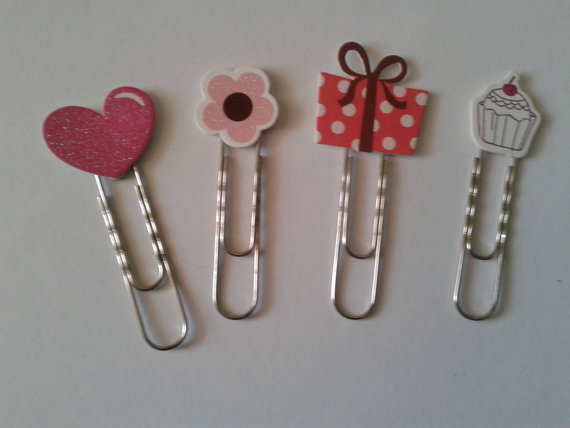
These book clips are just adorable. I love them. Available from Etsy (Imaginative One,) they are a bargain at just a £1 each (before postage) and there are four designs: Heart, Flower, Gift or Cupcakes.
These are just brilliant. We love Jane Austen Continue reading


 by
by 
Book Reviews : Daughter of Smoke and Bone by Laini Taylor
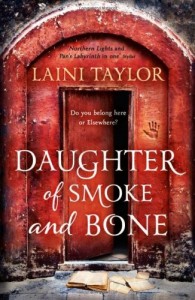
Daughter of Smoke and Bone
Review by Helen Jackson.
Errand requiring immediate attention. Come.
The note was on vellum, pierced by the talons of the almost-crow that delivered it. Karou read the message. ‘He never says please’, she sighed, but she gathered up her things. When Brimstone called, she always came. In general, Karou has managed to keep her two lives in balance. On the one hand, she’s a seventeen-year-old art student in Prague; on the other, errand-girl to a monstrous creature who is the closest thing she has to family. Raised half in our world, half in ‘Elsewhere’, she has never understood Brimstone’s dark work – buying teeth from hunters and murderers – nor how she came into his keeping. She is a secret even to herself, plagued by the sensation that she isn’t whole. Now the doors to Elsewhere are closing, and Karou must choose between the safety of her human life and the dangers of a war-ravaged world that may hold the answers she has always sought. (Daughter of Smoke and Bone is published by Hodder Paperbacks, July 2012.)
This is my book club January book.
When we were discussing books in December, I complained that there hasn’t been a really good book for a while, and that The Night Circus was still my favourite ever. The person who chose the book (or the selection of books, which we then vote on) Continue reading

 by
by Book News : The Illusionists by Rosie Thomas
Rosie Thomas is the Sunday Times bestselling author of over twenty novels, including The Kashmir Shawl which has sold 300,000 copies.
The Illusionists (HarperCollins) is due for release on 27th February 2014.
There is no such thing as magic. There is only truth.’
London, 1870. A terrifying place for a young, beautiful woman of limited means. Life on the streets is relentlessly tough, where fortunes can be bought or sold and danger lurks around every corner. But Eliza Continue reading

 by
by Literary Fact : Wednesday 22nd January 2014
On this day in 1788…
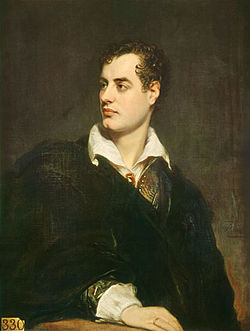
George Gordon Byron, commonly known as Lord Byron was born on this day in 1788.
He was an English Poet and a leading figure in the romantic movement. His works included Don Juan and She Walks in Beauty.

 by
by Bella's Scribblings : Desk Disappointment & Lame Excuses

Bella Osborne
By Bella Osborne.
Those of you who follow me on Twitter (and if you don’t then please do @osborne_bella) will already know the outcome of the desk delivery, so please bear with me.
As you know I was very excitedly awaiting the delivery of what I was terming my ‘forever’ desk. It had been a long while in the choosing and it was made of oak so I hoped it would be something that would accompany me on my writing expedition over the foreseeable years. I say ‘expedition’ as I hate the overused word ‘journey’ and a journey implies knowledge of destination whereas an expedition is a whole lot more unknown and exciting, so expedition it most definitely is!
I was counting down Continue reading

 by
by My Best Writing Moment : Laurence O’ Bryan

Laurence O’ Bryan
Laurence O’ Bryan’s latest novel, The Manhattan Puzzle (Avon, 2013) is available now. Laurence tells us about his best writing moment so far…
Getting offered a global three book publishing contract by Harper Collins. I have never felt such exhilaration. I had waited ten years for the moment. I felt light, dreamy, and was filled with an anticipation that ached.
Read our review of The Manhattan Puzzle.

 by
by NK Chats To.... : Garrett Addison

Garrett Addison
Garrett Addison is the author of The Traveller.
He grew up in Perth, Western Australia and now lives in Melbourne. We chat to Garrett about his book, what makes him laugh and what he would want with him on an Island…
Welcome Garrett. Can you tell us about your latest book, The Traveller?
It’s the story of a family man failing on all fronts; travelling too much to be a good parent and husband and yet still failing at work at the whims of a merciless manager nicknamed variously ‘the bitch’ and ‘the antichrist’. But when he is strangely metamorphosised into a higher functioning corporate genius on an otherwise usual trip, he enjoys a walk on the dark side and inevitably embraces the lure of revenge on his boss … but nothing lasts forever.
It’s a good fun roller-coaster Continue reading

 by
by Discussions :
 Diaries or Journals have always been a popular thing to keep.
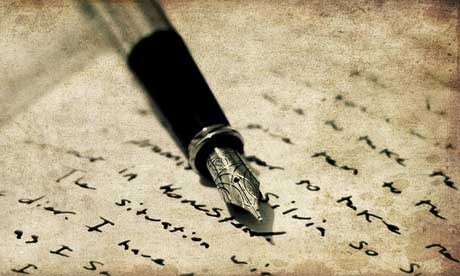
I have kept a diary on and off since I before I was a teenager. If something is bothering me, I tend to want to write it down. This is common practise amongst many – whether it’s to work through an issue or simply to keep a memory of your life at the time of writing. Some write for themselves and others write on a blog for public viewing. My blog tends to be about general thoughts and opinions Continue reading

 by
by Literary Fact : Tuesday 21st January
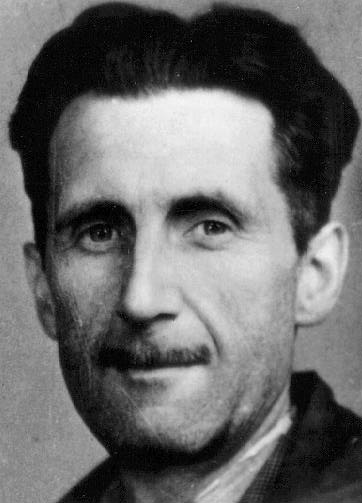
George Orwell
George Orwell, whose real name was Eric Arthur Blair, died on this day in 1950. He died in London at aged forty-six. He was known for works like Animal Farm (1945) and 1984, which was published in 1949.

 by
by The Novel That Has Made The Most Impact : Rebecca Braunton
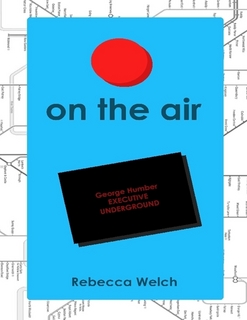
On The Air
Rebecca is the author of On The Air. Today, she talks about the book that has made an impact on her.
I moved house recently, and when faced with my monolith-like bookshelf I decided it was time for a little cull. A few books that I had read once and enjoyed were tossed (sorry: placed, lovingly) into a hessian bag and ferried across the road to the local Age Concern shop, but there was one book I knew I wouldn’t have parted with in a million years.
I first met Captain Corelli and his mandolin at college (steady on, I’ll make the jokes). I’d been given a beautiful virgin copy of the book ready for my annotations, and as a class we began to read through certain chapters in class, ending each ‘lecture’ as we called it with a series of questions on each chapter. This method had been practiced before with many texts from Shakespeare to McEwan. Normally the books you study at college or uni are groundbreaking and vastly important, but oftentimes boring and irrelevant; especially for a lovelorn sixteen-year-old who thought her life made up the centre of the whole universe.

 by
by A Moment with The Editor : What does an Editor Do?
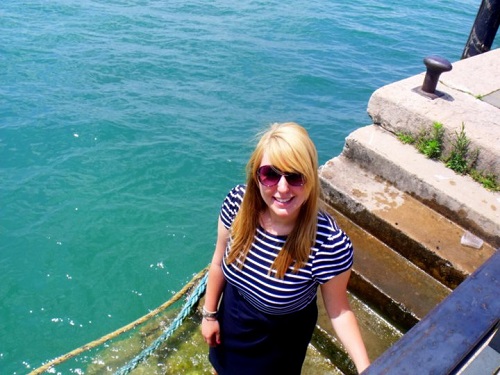
Charlotte Ledger
We’re very happy to welcome Charlotte, an editor at Harper Impulse.
We ask, what does an editor do?
Wow what a start to our new feature… And such a good question – I know lots of people think editors just sit and read all day! 🙂
Obviously, reading is a big part of our job, whether that’s reading new submissions with the view to buying new books or reading existing authors manuscripts in order to give them feedback on how the story is shaping up. Continue reading

 by
by Book News : Skeletons by Jane Fallon
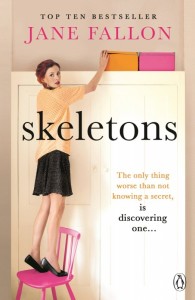 It’s all about secrets and lies….
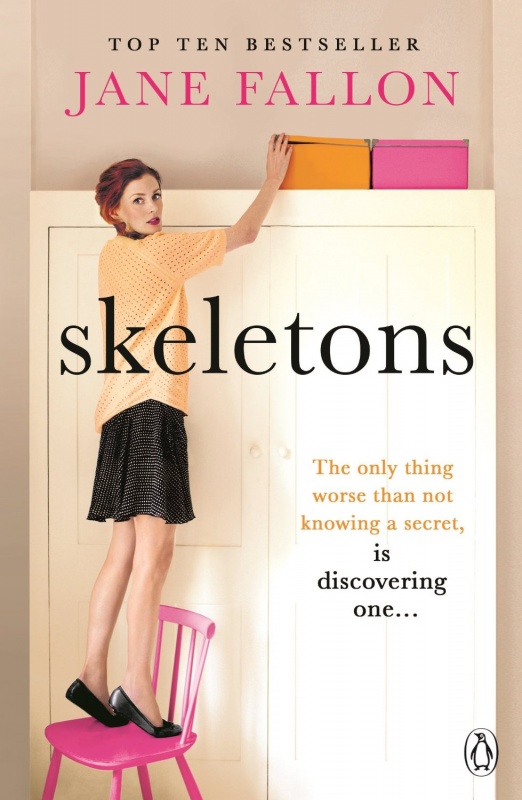
We are stupidly excited about this upcoming release from Jane Fallon. Skeletons is due for release in March. It’s published by Penguin.
Here’s the blurb…
Jen has discovered a secret. It’s not hers to share, but is it hers to keep?
If she tells her husband Jason, he might get over the shock but will he forgive her for telling the truth? She might drive a wedge through their marriage.

 by
by Courses and Competitions : West Sussex Writers 2nd National Short Story Competition.
Courses and Competitions
Entries are now open for the 2nd West Sussex Writers National Short Story Competition.
The maximum word count is 3000 words and there is no specific theme.
The closing date for applications is 31st March 2014. The fee to enter is £5.
1st prize is £200, 2nd Prize is £75 and 3rd prize is £50.
The winners will also Continue reading

 by
by NK Fiction Friday : Snippets
Fiction Friday
Fiction Friday – 17th January 2014.
It’s amazing what lines of dialogue or ideas for books we can get from accidentally overhearing other people’s conversation.
For today’s prompt, try to catch little pieces of information from conversations going on around you. Anything you find interesting, write down. Once you’ve got between five and ten lines, put them into a paragraph of dialogue. Once you’re done, post.
Write for a minimum of five minutes, then keep going for as long as you can. Once you’re done, then post in the comments below.

 by
by Book Reviews : Wish Upon A Star by Trisha Ashley
 Book review by Mick Arnold.
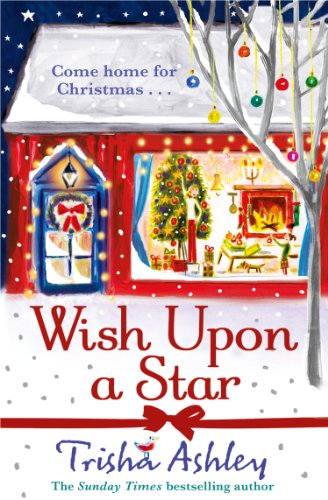
(Wish Upon a Star published by Avon, November 2013.)
Forced to move back in with her eccentric mother, Cally has to juggle caring for her sick daughter Stella and doesn’t believe that she has time in her life for love as well. That is until handsome baker Jago comes into their lives. Trying to juggle fund-raising for an operation to potentially save her daughter’s life that is rapidly approaching in the USA just before Christmas, Cally tries to stop her growing feelings for Jago from taking over her every waking moment.
This is a heart-warming tale of love and hope Continue reading

 by
by Competitions : Mhari McFarlane Winners

Here’s Looking At Yo
And the winners are…
Thank you to everyone who entered our competition to win a copy of Here’s Looking at You by Mhairi Mcfarlane.
Well done to Marie-Claire Mowlam, Rebecca Minton, Emma Miller, Rebecca Bromley and Linda Russam who have all won a copy.
Have you read it? It’s our book club title this month. To head over to Book Corner, click here.

 by
by The Novel That Has Made The Most Impact : Sue Moorcroft
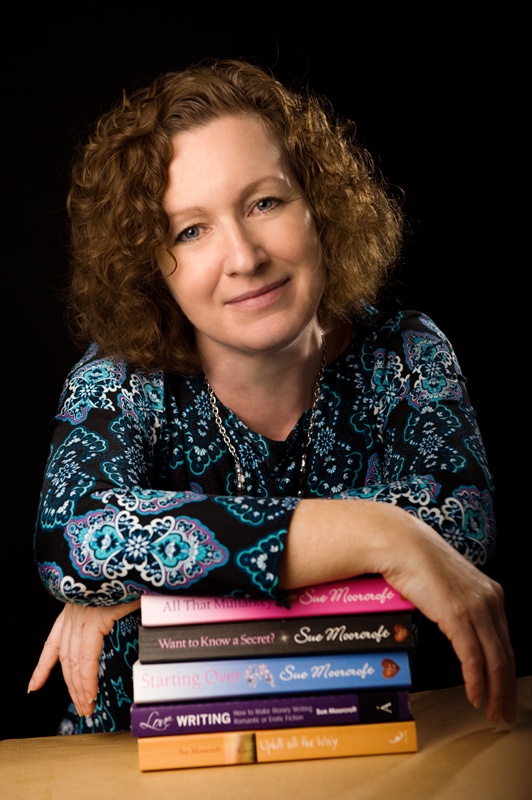
Sue Moorcroft
Sue Moorcroft is the author of Want to Know a Secret, Starting Over and Is This Love?
Today, Sue tells us about the book that’s had the most impact on her…
Dream a Little Dream. When I chose to give Dominic Christy the neurological condition of narcolepsy, which causes uncontrolled sleep, I hadn’t realised what a fantastical and hard-to-understand condition it is. I became a research junkie and in September 2013, Narcolepsy UK asked me to speak at their conference about why I wrote that book and how I did my research. Quite a few people with narcolepsy have now read Dream and they seem to feel that I’ve done OK with my portrayal. Satisfying.

 by
by NK Chats To.... : Lynne North

Lynne North
Lynne North is the author of two children’s books, Caution: Witch in Progress’ and ‘Zac’s Destiny.’ Lynne joins us today to chat about her latest book, her ideal dinner guests and her tips for new writers.
Can you tell us about your latest book, ‘Caution: Witch in Progress.’
Caution: Witch in Progress is a children’s humorous fantasy novel aimed at the eight years of age to young teen market. Gertie Grimthorpe comes from a long line of witches. Unfortunately, she hasn’t really got the hang of it. Being blonde-haired, blue-eyed and free of warts isn’t much of an advantage. Try as she might, Gertie’s spells fall flat. She manages to give her bat-headed umbrella the ability to talk, but then wishes she hadn’t when all he does is complain and insult people. Even finding an owl to be her Familiar doesn’t help. Then again, he is extremely shortsighted… Gertie is sent to The Academy to improve her spell casting skills and soon has a best friend in the form of Bertha Bobbit, a big girl, with a matching appetite. Add to that a Moat Monster with a flatulence problem, the weirdest array of witch’s Familiars possible, and a warlock determined to ruin Gertie’s chances of success, and the story unfolds. Not to mention the demon…

 by
by Discussions : Opening Lines

Books
The Top Ten Opening Lines…
I recently found an article from The Guardian from April 2012, about the best opening lines in fiction. The first sentence of a book sells it. It can be the difference between someone buying your book and putting it back on the shelf, or deciding to carry on and finish.
There are many first lines I like, one of my favourites is the line from Pride and Prejudice. It’s one of the most famous ones for sure. Below is the list of the ten from The Guardian. Do you agree? Are there any that aren’t in there that should be?
“Stately, plump Buck Mulligan came from the stairhead, bearing a bowl of lather on which a mirror and a razor lay crossed.” This is the classic third-person opening to the 20th-century novel that has shaped modern fiction, pro and anti, for almost a hundred years. As a sentence, it is possibly outdone by the strange and lyrical beginning of Joyce’s final and even more experimental novel, Finnegans Wake: “riverrun, past Eve and Adam’s, from swerve of shore to bend of bay, brings us by a commodius vicus of recirculation back to Howth Castle and Environs.”

 by
by Book News : Lucinda Riley

The Midnight Rose
The Midnight Rose by Lucinda Riley.
(Published by Pan, and due for release on 16th January 2014.)
The Midnight Rose spans four generations and sweeps from the glittering palaces of the great maharajas of India to the majestic stately homes of England. It follows the extraordinary life of a girl, Anahita Chavan, from 1911 to the present day. In the heyday of the British Raj, eleven-year-old Anahita, from a noble but impoverished family, forms a lifelong friendship with the headstrong Princess Indira, the privileged daughter of rich Indian royalty. Becoming the princess’s official companion, Anahita accompanies her friend to England just before the outbreak of the Great War. Continue reading

 by
by Books Need Us : What’s it like to be an Author?
 By Maria Vassilopoulos- Organic Books

I don’t know. I can’t write all that well – although one of my fondest school memories is of penning an A5 sticky backed plastic novella called “Small Adventures” which was about Titchyfoot the little little person who had got shrunk by a witch and was trying to get back to her mother. I got 5 house points and staples to hold it together.
However, when I have tried to write anything else, my brain gets bored and my inherent laziness takes over. I stop the story, give it a bad ending and leave the characters I partially created hanging in limbo and feeling pretty cheated.
Blogging is better for me as it’s shorter and punchier. At one point I thought maybe Journalism was for me but as I found out when doing work experience at a local newspaper whilst at university, it really wasn’t. I didn’t enjoy the structure of how I had to write and there wasn’t a lot going on that summer.
It was more about the actual books for me. I didn’t have Continue reading

 by
by Courses and Competitions : Popular Woman’s Fiction Course
Rowan Coleman
Courses and Competitions: Guardian Masterclasses – Popular Women’s Fiction with Julie Cohen & Rowan Coleman with guest speaker, Madeleine Milburn.
There is still time to take part in this great sounding course with two very successful writers. This course is for people who are looking to originate or develop an idea, or who have been working on a novel and want to bring it to a high enough standard for submission.
It’s taking place on Saturday 25th and Sunday 26th January 2014 at The Guardian, 90 York Way, Kings Cross.
Attendees will be asked to submit a plot synopsis and five pages of the first chapter of their novel ahead of the course to enable the tutors to provide tailored feedback.
You will learn Continue reading

 by
by NK Fiction Friday :
Fiction Friday
Fiction Friday: 10th January 2014.
The aim of Fiction Friday is to take the prompt below and write for a minimum of five minutes, then keep going for as long as you can. Don’t edit, just post your attempt in the comments below.
Today’s prompt: Keep this conversation going:
‘Don’t I know you?’
‘No, I don’t think so?’
‘No, I do. Weren’t you the woman who, you know, got involved with all that business a while back?’
What comes next?

 by
by NK Chats To.... : A Moment with Matt Dunn
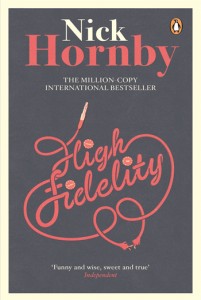
Penguin (re-issue edition,) January 2014
Matt Dunn is the author of seven novels which includes A Day at The Office and Best Man
Today, Matt talks about the book that has made the most impact on him.
I owe my entire writing career to High Fidelity. While I’d known I wanted to be a writer since my teens, it wasn’t until I read this brilliant book that I knew that was what I wanted to write. Of course, actually writing that would have been pointless (mainly because Nick Hornby had already written it), but I reasoned that surely something like it wouldn’t be a bad thing to aim for, so I sat down at my desk and gave it a go. Eight novels later, I’m still trying to match his breathtakingly spare prose, skilfully-crafted set-pieces, wonderfully-drawn characters, and – most importantly – laugh-out-loud humour. It’s not a long book – perhaps the author was mindful of the old showbiz maxim of ‘always leave them wanting more’ – but as far as I’m concerned, it’s as close to perfection in a novel as you can get.

 by
by Wish List : Book Themed Phone Cases
Five Book Themed Phone Cases.
I love books. I also have an equal obsession with my phone (and sadly, am usually not far away from it. I blame smartphones.) Although I will never completely go over to electronic books, the book app on my phone does make it very easy to sneak in a page or two of a book whenever I get a moment. Today, I’ve combined the two and found some beautiful phone cases (for iPhone and Samsung) with a bookish related theme and that would be on my wish list.
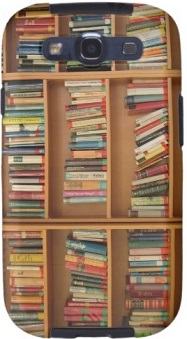
This lovely case (for a Galaxy S3,) features a wooden bookshelf full of books. You can even customise it and it’s perfect for book lovers. This is the kind of book shelf I wish I had space for in my house (although I am almost there with all the books currently stored in the garage.) This case is available from Zazzle for £38.95. There is also a similar cover available for iPhone if you like the vintage book shelf look which is £39.95 from Zazzle, this one is available for the 5, 5s and 5c.

 by
by Book Reviews : How To Look Like You by Rose McClelland
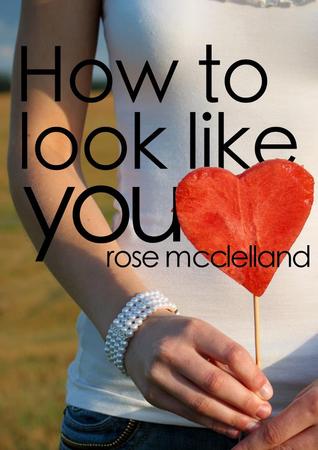
How To Look Like You
Book review by Helen Jackson.
Have you ever had a frenemy? Someone you smile at sweetly but secretly you are filled with jealousy? Meet Chloe and Ella.
While Chloe sees herself as dowdy, quiet and going nowhere, Ella is brimming with talents: acting, singing, and outward-sitting, bronzed boobs.
Yet, Ella envies Chloe’s steady relationship with Aidan, her stick-thin figure and her perfectly poised style. As a result, Ella feels overweight, over-single and over-the-hill.
As Ella begins to work alongside Aidan, she develops feelings she shouldn’t have. When he invites her to join his band, it’s no surprise Chloe reacts by slamming the door off the handle.
Then Chloe begins a strategy of her own: Operation Simon. If she starts to go out more often with the bloke from work, surely Aidan would take notice?
Will Aidan smell Simon’s advances? Will Chloe and Aidan’s shared plans go ahead?
Will Ella become a friend or an enemy?
Find out How To Look Like YOU.
The saying goes, don’t judge a book by its cover. When it comes to fiction though, that’s exactly what I do. If I don’t like the cover, there’s very little chance I’ll pick it up or read it, but if I like the cover, it’s possible I’ll pick it up to read, before even reading the blurb. Which is why I’m Kindle’s dream target.

 by
by Competitions :
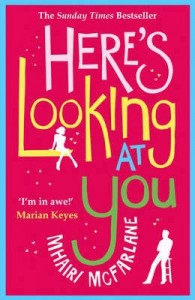
Here’s Looking at You by Mhairi Mcfarlane. Published by Avon, December 2013.
We have FIVE copies of Here’s Looking at You by Mhairi Mcfarlane to give away.
Here’s Looking at You is the title over in our book club this month and to celebrate, we have five copies to give away thanks to Mhairi and the lovely people over at Avon. (Scroll down for entry details.)
The blurb:
Anna Alessi – history expert, possessor of a lot of hair and an occasionally filthy mouth – seeks nice man for intelligent conversation and Mills & Boon moments. Despite the oddballs that keep turning up on her dates, Anna couldn’t be happier. As a 30-something with a job she loves, life has turned out better than she dared dream. Continue reading

 by
by Bella's Scribblings :
Bella Osborne
We’re very pleased to be welcoming Bella Osborne to the Novel Kicks team with her new column, Bella’s Scribblings.
I was staggered to be asked by the lovely Laura to do a regular column for Novel Kicks and extremely nervous. You see I am a ‘Wanna Be Writer’ I have absolutely no credentials as I have neither self published or been published – I know what you’re thinking ‘Great choice Laura, was there really nobody else available,’ and I don’t blame you. However, I am a Wanna Be Writer with a plan, loads of enthusiasm and huge amount of tenacity. So over the next twelve months (oh stop groaning at least it’s got you off Twitter) I will be bringing you a fortnightly update on what I’m up to and how my writing is going. First up here’s a bit of background so you know a bit about me:

 by
by Discussions : Which Fictional Character Would You Be?
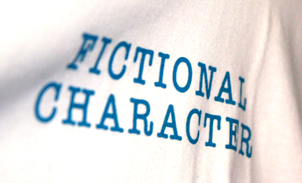
Which fictional character would you be?
There are many fictional characters but which one would you want to be?
Being a big reader I meet so many amazing characters. At the end of The Fault in Our Stars, I had fallen in love with Hazel and Augustus. I want to have a drink with Bridget Jones and I want to go to Hogwarts with Harry Potter – no, on second thoughts, I want to be Hermione Granger for a day.
That’s what I love about being a writer. I get to create characters that come alive in my head (it’s like being able to have imaginary friends in adulthood,) even though Carrie, the main character in my current work in progress, won’t shut up.
It has me thinking… Continue reading

 by
by Writing Room : My Writing Room – Julia Williams
I work in a small office next to my bedroom. When we moved into our house seventeen years ago it was billed as another bedroom, but was a bit impractical as you had to walk into our bedroom to get into it. So we decided to turn it into a bathroom and dressing room. Then I decided to go freelance and started writing, so we thought, how much space do we really need for clothes? and turned it into a study instead. My husband is very handy round the house, so he built the desk and shelves himself, and a lovely decorator pal of ours painted it for us.
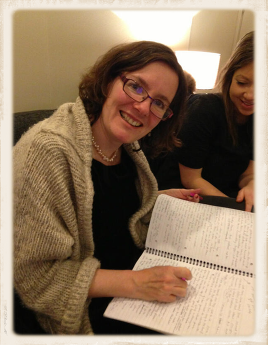 Author, Julia Williams |
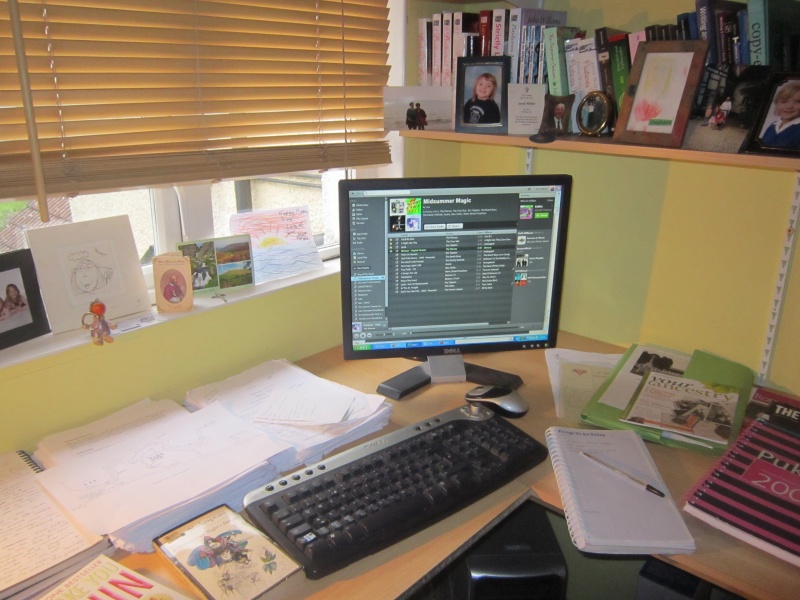 Julia’s Writing Space |
I love it because Continue reading

 by
by NK Chats To.... : A Moment with Jane Green

Author, Jane Green
Jane Green is the international best-selling author of Straight Talking, The Accidental Husband and The Patchwork Marriage. She joins us for a moment to talk about her memorable experiences and what she does when she’s not writing.
What has been your most memorable experience as an author so far?
It is mostly the little things that blow me away. Someone recognising my name from my credit card in a shop and saying, ‘wow, you have the same name as my favourite author!’, or being shown to a table in a restaurant and have someone whisper that Jemima J was her most favourite book ever. But I have to confess, Continue reading

 by
by Book News : Upcoming Releases with the Theme of Love
It’s 2014 and we can’t wait for all the new and upcoming releases coming this year.
We’ve picked the five we’re looking forward to reading that have a romantic theme. We can never get enough of the love stories and the heroes, the happy endings and the heroines, Also these beautiful covers…
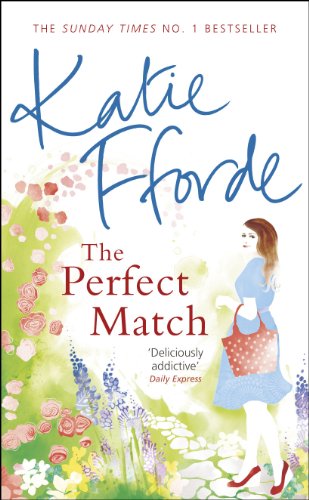
The Perfect Match by Katie Fforde
The Perfect Match by Katie Fforde.
Published by Century and released on 13th March 2014.
Three years ago Bella Castle left her home town nursing a broken heart over Dominic Thane, the man she fell in love with but couldn’t have. Now she’s made a new life for herself in the country, working as an estate agent. Bella loves her job and she loves her boyfriend. But recently he’s been preoccupied, and she’s starting to question if his future hopes and dreams are a perfect match for hers. Continue reading

 by
by Fiction Friday: Strange Happenings.
Fiction Friday: 3rd January 2014.
You wake up to find that a household product is having a strange effect on your pets and children and they start to act strange. What happens next?
Write for five minutes minimum and then keep going. When you’re done, post in the comments box below.

 by
by Writing Room – January 2014
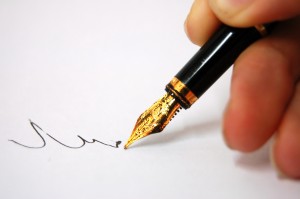 Writing Room – January 2014: Write a diary entry.
It’s 2014. A new year. For this month, write a diary entry from the point of view of your character. If you’re currently working on a book, write as your main character or maybe you’d like to pick a supporting character? If you’ve not got anything you’re working on, write from the point of view from a person named Sam.
What would they write about? What are their resolutions for the year?
Write between 500 – 1000 words and post in the comments section. Continue reading

 by
by
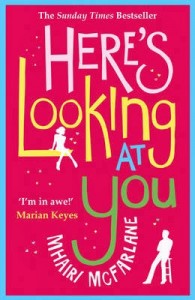 Here’s Looking At You by Mhairi Mcfarlane (published by Avon, December 2013.) – our book club title for January.
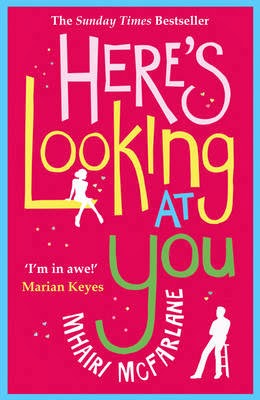
About the book:
Anna Alessi – history expert, possessor of a lot of hair and an occasionally filthy mouth – seeks nice man for intelligent conversation and Mills & Boon moments.
Despite the oddballs that keep turning up on her dates, Anna couldn’t be happier. As a 30-something with a job she loves, life has turned out better than she dared dream. However, things weren’t always this way, and her years spent as the ‘Italian Galleon’ of an East London comprehensive are ones she’d rather forget.
So when James Fraser – the architect of Anna’s final humiliation at school – walks back into her life, her world is turned upside down. But James seems a changed man. Polite. Mature. Funny, even. People can change, right? So why does Anna feel like she’s a fool to trust him?
Discuss Here’s Looking At You… Continue reading

 by
by Competitions : Winner: Mslexia Diary 2014.
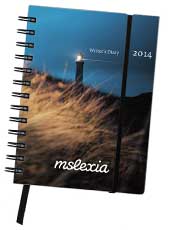 Thank you to everyone who entered our competition to win Mslexia’s 2014 diary.
Well done to… Sarah Miles from Gloucester.
About the diary:
Mslexia’s diary is a unique, attractive and essential creative companion. This year’s theme is ‘your creative journey’: whatever your starting point, the diary will be a motivational map to guide you through the year ahead. And every month, like signposts along the way, they provide insights from classic and contemporary writing guides by some of the wisest and wittiest women authors of the last 100 years – along with exercises to help you apply that advice to your own work. The sturdy user-friendly format has a rigid plastic outer cover, wiro binding, ribbon bookmark and stout elastic to keep extra papers secure. Measuring 14cm x 18cm, it’s the essential toolkit for the creative woman on the move. Features include:
· editing symbols and manuscript layout guide
· need-to-know directory of writers’ resources
· weekly inspiration and reading recommendations from top authors
· key dates in the literary year
· chart for tracking your submissions
· section for recording books lent and borrowed
· A-Z telephone and email contacts
· week-to-view diary pages
· lots (and lots) of blank pages for your own notes and writing
This year’s diary has been produced in partnership with Anam Cara, Bath Spa University, Birmingham City University, Circle of Misse, Faber Academy, Literature Works, The Poetry School, Tŷ Newydd and Writing West Midlands.
To find out more about Mslexia, click here.

 by
by Discussions : Your Ideal Christmas Guests
 We’re less than a week away before all of the festive celebrations begin and we’ll be opening presents, seeing family and friends or nestling down in front of the TV or snuggling with a book. I don’t know about you, but I am looking forward to Christmas so much this year. It has got me thinking about (aside from family and friends,) who I would want to have over for Christmas dinner? Ideal dinner guests is one of the questions I like to ask the most as the answers are always so varied.
Mine would be: Tom Hiddleson (as Loki. It would make it interesting.) John Lennon, Queen Elizabeth 1, JK Rowling and Benedict Cumberbatch (as Sherlock.)
Who would you have over for a Christmas Dinner Party?

 by
by Competitions :
We have one 2014 diary from Mslexia to give away.
Mslexia’s diary is a unique, attractive and essential creative companion. This year’s theme is ‘your creative journey’: whatever your starting point, the diary will be a motivational map to guide you through the year ahead. And every month, like signposts along the way, they provide insights from classic and contemporary writing guides by some of the wisest and wittiest women authors of the last 100 years – along with exercises to help you apply that advice to your own work.
To enter:
Comment on this post with your name and town before the closing date of Sunday 22nd December 2013 at 23.59. The winner will then be picked at random from the entrants and announced here on the Novel Kicks blog on Monday 23rd December 2013. UK and Ireland Only.

 by
by Book Review: A Cinderella Christmas
 A Cinderella Christmas by Holly Kingston. Released by Novelicious Books, November 2013.
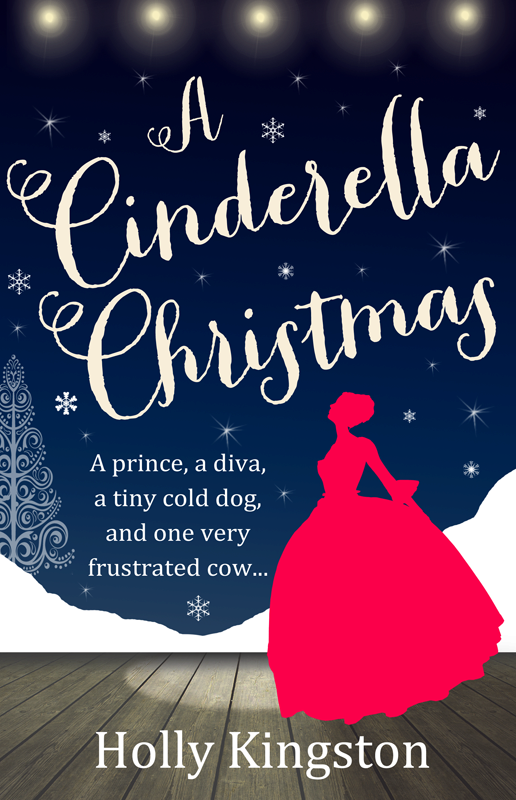
Lucy Tilley dreams of a career in show business. But this isn’t quite what she had in mind …
This year’s Cinderella pantomime is the hottest production in town. What’s more, Lucy is starring alongside Ryan Aspall: famous TV actor, sex symbol and potential love of her entire life. One teeny problem – Lucy is tripping the light fantastic as … the back-end of the comedy cow. Surely nothing kills a flirty moment quite like wearing a massive set of udders?
At least she has the support of glamorous (if potentially flammable) Charmaine; a reality star diva of a Cinderella, who Lucy is completely fascinated by. But behind the fame and beauty, Charmaine is not all she seems.
With more drama off the stage than on it, and everyone
wanting to be star of the show, will Lucy find the confidence to make it out of the cow suit and into the spotlight this Christmas?
A Cinderella Christmas is the new novella from Holly Kingston. Set during a pantomime in Manchester just before Christmas, this was a warming, lovely story that had me laughing out loud in many places. Lucy is such a likeable, relatable character. Charmaine, Ben, Ryan and Bridget are great supporting characters. This story flowed so well and I wish it was longer. This book has well and truly put me in the festive mood and will be great for snuggling up on the sofa with a glass of wine and the Christmas tree lights on. Romance and Christmas… I loved this book.

 by
by Blog Tour: Holly Kingston
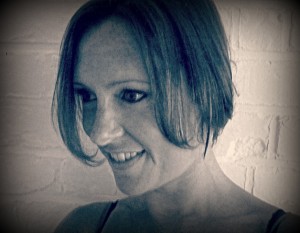 We’re excited to be a part of the blog tour for Holly Kingston’s fantastic debut novel, A Cinderella Christmas which was released by Novelicious Books in November. We’ve had a chat with Holly to find out about her new book, what she’d take to a desert island and which Sherlock she’d have over for dinner…
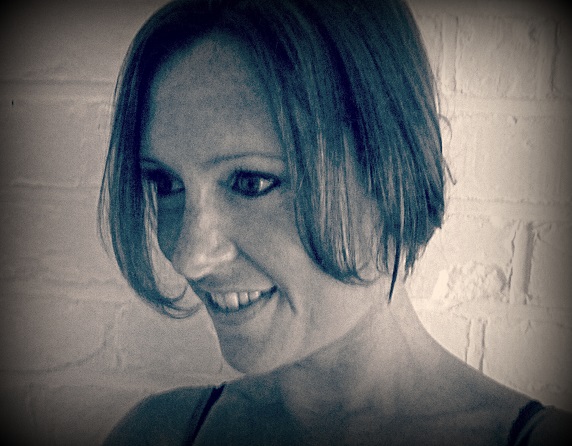
Can you tell us about your book, a Cinderella Christmas.
It’s a festive, fun read about a girl called Lucy, who gets the worst job in the Christmas panto. Assigned to being the back end of the comedy cow, she also has to contend with the fact that Ryan Aspall, her superstar heartthrob of a crush, is also starring in the show. Lucy tends to lose the ability to speak when Ryan’s around, which is a little irritating when she’d quite like the confidence to flirt. Then there’s diva Charmaine to contend with, the reality TV star playing Cinderella. Lucy is massively star struck by Charmaine, but Charmaine has a few secrets to hide and things aren’t quite as they seem. Lucy needs to up her confidence to improve her love life and career, but things keep going horribly wrong for the poor girl. There’s a lovely ending though, promise!
Is there a character from fiction you’d like to meet?
Great question! I’d like to meet Continue reading

 by
by Book Reviews : Dead Gone by Luca Veste
 Dead Gone by Luca Veste, published by Avon, December 2013.
A serial killer is stalking the streets of Liverpool, gruesomely murdering victims as part of a series of infamous unethical and deadly psychological experiments.
When it becomes apparent that each victim has ties to the City of Liverpool University, DI David Murphy and DS Laura Rossi realise they’re chasing a killer unlike any they’ve hunted before – one who doesn’t just want his victims’ bodies, but wants their minds too.
I read a lot of this book when I should have been doing other things (including sleep.) I was hooked from the very first page. I do like a good mystery and this book does that very well. Right until the last few pages, Continue reading

 by
by Competitions : Knomo Competition Winner…

Aurora (Terracotta)
Thank you to all who entered our competition to win the lovely Aurora bag from Knomo.
Congratulations to Diane Ayres from Cirencester.
To see the whole range of bags from Knomo, click here.

 by
by NK Chats To.... : Blog Tour – Luca Veste
 Luca Veste’s debut novel, Dead Gone, was released on E-book by Avon earlier this month with the paperback being released in January. As part of his blog tour, Luca had a chat with Novel Kicks about his new book and who’d he’d like over for dinner….
Can you tell us about your new book, Dead Gone.
Dead Gone is the first in the DI Murphy and DS Rossi series. A body is found in Sefton Park, Liverpool and when the victim is identified as a local university student, Murphy and Rossi begin looking at those close to her, expecting to find her killer amongst them…ignoring the letter attached which linked the murder to a historical and unethical psychological experiment. Then, another body with its own letter is found…and then another. Murphy and Rossi realise they’re tracking a serial killer who is playing the ultimate game of life and death with them.
Can you tell us about your writing process – are you a planner, do you edit as you go, are you a writer who religiously writes a certain amount of words per day?
I’m a planner of sorts, in that I know roughly what the beginning and ending of a novel is when I start. It’s the bit in the middle that takes the time! I usually write long drafts, which helps find the linear plot of the story and then write up from there. I don’t edit as I go along within a draft, but I do write around 1500-2000 words a day most of the time.
Who would you invite over to dinner?

 by
by Luca Veste: Dead Gone Blog Tour
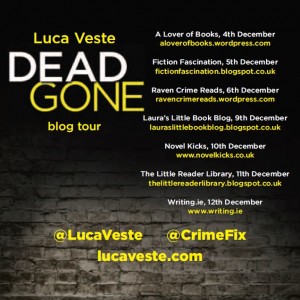 Novel Kicks was very pleased to be a part of Luca Veste’s blog tour for his great debut novel, Dead Gone. Later on, Luca will be chatting to us about his book. Be sure to also check out the other stops on the tour.
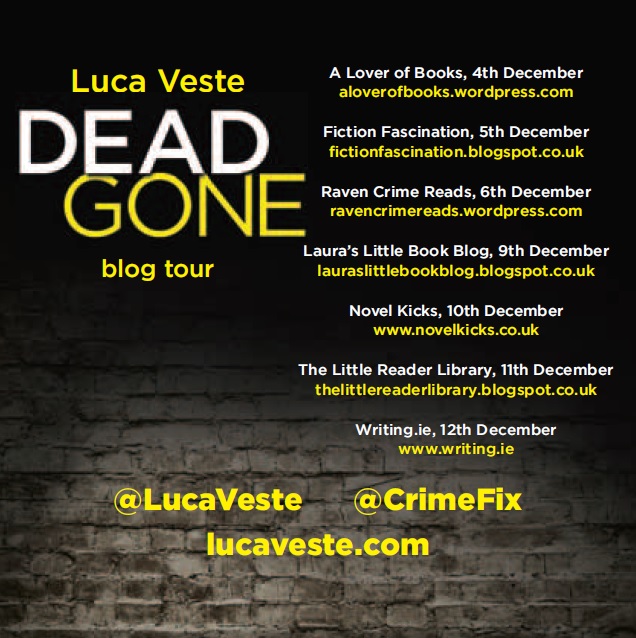
Coming up, a review of Dead Gone which is available now in e-book format. Below, a sneak preview (warning, there is a small amount of bad language.)
Experiment Two
She hadn’t been afraid of the dark.
Not before.
Not before it entered her life without her knowing, enveloping her like a second skin, becoming a part of her.
She hadn’t been claustrophobic, petrified the walls were closing in around her. Crushed to death without knowing they’d even moved. Not scared of things that crawled around her toes. Wasn’t afraid to sit alone in a darkened room and wonder if something was touching her face, or if it was just her imagination.
Nope. She wasn’t scared before.
She was now.

 by
by Jon Rance: My Route to Publication
 Jon Rance, the author of This ThirtySomething Life and Happy Endings, talks about his route to publication…
Whenever I talk or write about my route to being published, I always end up using the same words. Unusual. Different. Unconventional. When you think about getting a publishing deal you generally think about someone having an agent first and then the book being shipped around various publishing houses until the inevitable bidding war results in a large three book deal. This generally isn’t true either, but I didn’t even have an agent and I wasn’t really looking to get a publishing deal at all. I guess I should start at the beginning.
I started writing properly ten years ago. I wrote four full-length novels and followed the traditional path of trying to get an agent and failing each time. It always felt a bit strange though. I would spend a year and a half pouring my heart and soul into a book and then I’d send off thirty letters to different agents, wait for the rejections to come back before starting all over again. It’s a strange thing to do. So after I finished writing my fifth book, THIS THIRTYSOMETHING LIFE, I decided not to approach agents and instead self-publish it.

 by
by Fiction Friday: Mistaken Identity
 Friday 6th December 2013
The prompt today – you get mistaken for someone else? Who do you get mistaken for? What happens?
Write for five minutes and then keep going. Don’t edit, just post.

 by
by
 Solomon’s Tale by Sheila Jeffries. Published by Avon, November 2013.
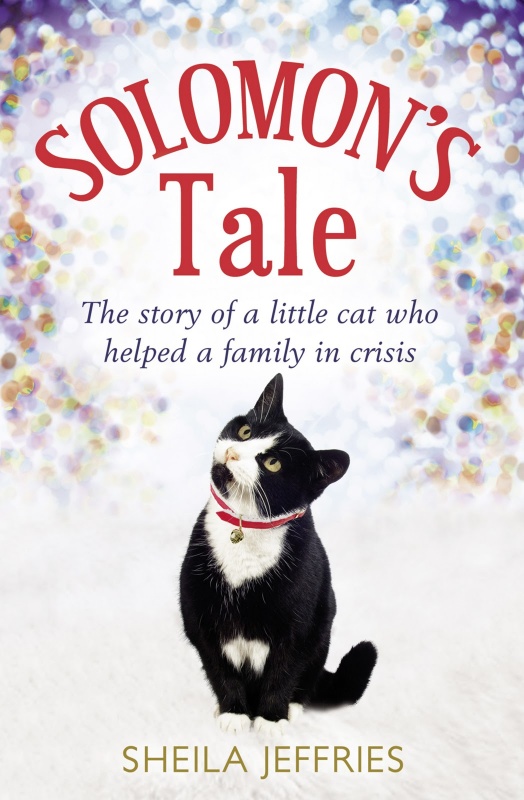
Solomon’s Tale tells the story from the point of view of Solomon, a cat who is reincarnated back down to earth by an angel to take care of his previous owner. When he reaches Ellen, he finds that she is facing abuse and homelessness.
He enters Ellen’s home and soon becomes the family’s healer and protector and although facing many challenges, tries to save the family.
Solomon was the writer’s own cat but the story, Continue reading

 by
by Competitions :
Aurora (Terracotta)
Thanks to the lovely people at Knomo, we have an Aurora Tote bag to give away.
The Aurora is a spacious tote bag which can transform into a flat tote in seconds thanks to the zips around the side and base. Carry it using the small handles or the detachable shoulder strap. It’s perfect for writers as it holds an A4 pad and has a quilted pouch which will hold up to a 15″ laptop. It also has a handy external pocket for keys, your phone or a travel ticket.
To enter: Continue reading

 by
by Practical Bags For Writers On The Go
I do like to take my computer out and work with a change of scenery. I take my iPad everywhere. My laptop also frequently travels with me and so I like to transport them in something that’s not bulky. Then there is the problem of all the other stuff in your bag damaging your laptop or tablet. If you’re anything like me, I struggle to find bags that are suitable for writers on the go. Our spotlight today falls on a selection of lovely bags from Knomo that are perfect for writers – whether it’s for a christmas gift or a treat for yourself….
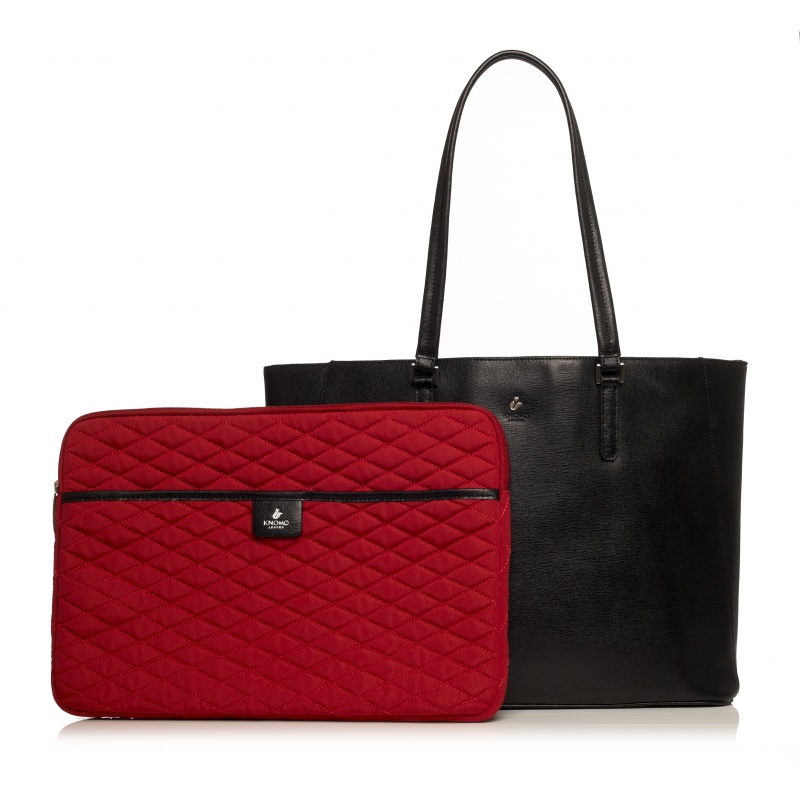
The Cavendish tote is made from saffiano leather and comes with a removable quilted laptop sleeve (which snaps into the side of the bag.) It’s perfect for carrying your day-to-day belongings as well as the all-important laptop (and that sleeve will mean it won’t get damaged.) It fits up to 14″ laptop and is available in marine, black or black cherry. It’s currently £169.00 from Knomo.
Cavendish

 by
by Writing Room : December… Write a Letter to Father Christmas
 December: Write a letter to Father Christmas…
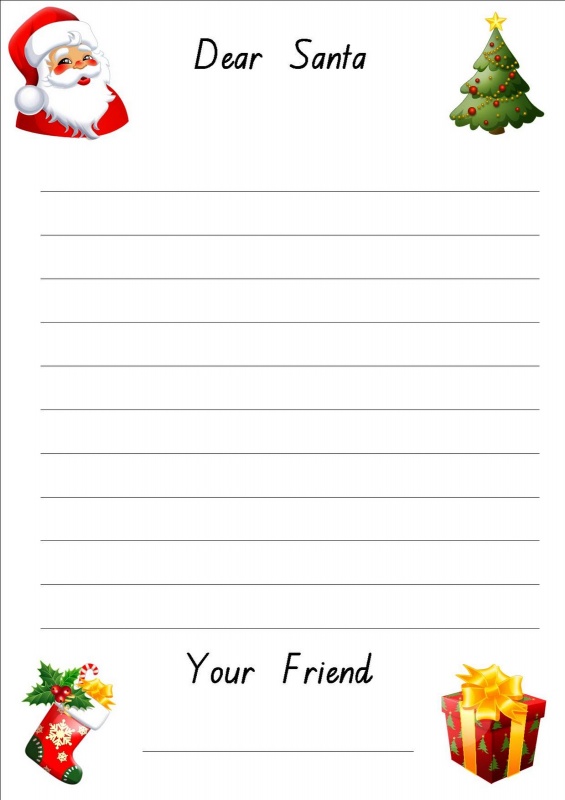
It’s the season to be jolly. For this month’s writing room, it’s your opportunity to write a letter to Father Christmas. What would you ask him for? Which questions would you put to him? You could even write it from the point of view of a child if you wanted to. Maximum word count is 750 words.
When you’re done, feel free to post your attempt in the comments below…

 by
by Book Corner :
 Book Corner: December 2013: Tell us about what you’re reading?
As it’s December, instead of focusing on one book, we are opening up book corner where this month, you can come and discuss any book you like. What are you reading at the moment and what are your thoughts? Is there a book this year that you’ve read that you’ve loved or has made an impact? Have you tried to read a particular book this year and not liked it? Why?

 by
by NaNoWriMo Author Advice: Day Thirty
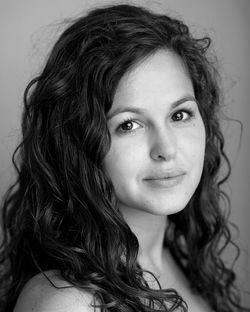
Giovanna Fletcher
It’s day thirty and the last day of National Novel Writing Month. Giovanna Fletcher, the author of Billy and Me offers advice about first drafts and sitting down to write…
Realise that you will occasionally look at what you’ve written and think it’s crap. Don’t panic at that. Just sit down and write. You will get distracted, it’s inevitable, just make sure you give yourself a good telling off and get back to work. Give yourself a target word count everyday. Something realistic and achievable. My target is 1,500 a day – that might seem a small amount to some people, but it works for me.

 by
by NaNoWriMo Author Advice: Day Twenty-Nine
On day twenty-nine of National Novel Writing Month, Jon Rance, the author of Happy Endings, joins us to talk about the internal editor…
There’s a reason why publishers have editors and why every writer needs one. Because it’s a different job than being a writer. The same applies when we’re writing a novel. Writing is writing, it’s creative and visceral. It’s the difference between designing a house and building one. When you’re writing, be a writer. When you’re editing, be an editor, but never confuse the two.

 by
by Competitions : Raising Steam Winners
 Thank you to everyone who entered our competition to win a copy of Raising Steam by Terry Pratchett. Well done to: Gail Bennett, Michelle U and Laura Jones who are the three lucky winners.
Related articles


 by
by Fiction Friday: Dinner Party
 Friday 29th November 2013: Dinner Party.
You are invited to a dinner party by a stranger. When you get there, you find that you’ve been joined by friends and enemies. What happens? Why have you all been brought there?
Write for five minutes and then, keep going if you can. Don’t edit, just post.

 by
by NaNoWriMo Author Advice: Day Twenty-Eight

Jane Fallon
Jane Fallon joins us for day twenty-eight of our NaNoWriMo Author Advice. Jane’s books include Getting Rid of Matthew and Foursome. Her new book, Skeletons, is out next year. Jane gives us her five tips for new writers.
1. Keep moving forward. Don’t get stuck editing the same passage over and over again. There’s time for that later. I think that a first draft is all about getting the whole story down on paper as quickly as you can, and then sitting back and assessing what you’ve got.
2. If you have a block write through it. Don’t give up because you are stuck on a passage that’s going to be difficult to write. Write a version of it, however bad. Eventually you’ll hit a point where the story flows again. And then it’ll be easy to go back and rewrite.
3. Don’t think you have to write in perfect, grammatically correct, English. You’re Continue reading

 by
by Book Reviews : The Manhattan Puzzle by Laurence O’ Bryan
 Chris reviews The Manhattan Puzzle by Laurence O’ Bryan (published by Avon, October 2013.)
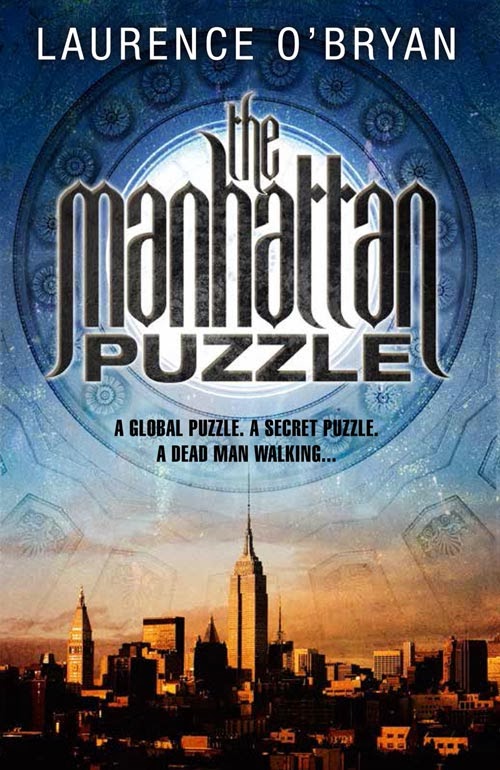
The story follows Isabel Ryan in her attempt to find and free her husband, Sean Ryan, who has been framed for murder by the top American Bank he works for so as to cover up some very mysterious goings on. Isabel’s journey to solve the puzzle Ryan was working on will take her from her home in London to caverns under Manhattan Island.
I enjoyed the book. Although there are two books which precede this one, The Istanbul Puzzle and The Jerusalem Puzzle, it isn’t necessary for the reader to have read them to understand this book. There are references to things from the other books but they are explained within their required context, allowing the book to sit on its own. Similar in style to Dan Brown, Laurence O’Brian writes a well paced story which keeps drawing you on with its short chapters and regular cliffhangers, maintaining the readers interest while not bogging them down with unnecessary subplots.

 by
by NaNoWriMo Author Advice: Day Twenty-Seven
 We’re almost at the end of National Novel Writing Month. Today, Trisha Ashley, who’s latest book, Wish Upon a Star was released by Avon earlier this month, talks about finding your muse.
As readers of my newsletter know, Muse slipped into my head and took up residence while I was reading Paradise Lost at school and then refused to leave. At the time I took him at face value, but I’m pretty sure now he isn’t a real muse at all, because he’s male, steely-blue, wears a lot of leather, is winged, has talons and is devilishly handsome, if you like that kind of thing. Everyone else seems to have a fairly useful female Muse, but no – I have to be landed with a creature who needs to be arm-wrestled into submission every morning.
But then, that’s not such a bad thing, because there’s no point in wafting around looking soulful and waiting for the Muse of Inspiration to stop flitting round the room and land. No – get a firm grip and tell him or her to jolly well get on with it, and then soon the only thing flying will be your novel.

 by
by Discussions : Character Vs. Plot
 Which one is more important?
It’s one of the decisions you have to make when sitting down to write a novel. Some books are character driven whereas others are moved along by the strong plot. When you read something like Lord of The Flies for example, it’s ultimately the actions of the characters that drive the plot. I am still trying to figure out which one should come first but saying that, my main character is strong-minded so if I had to choose at the moment, I would say character is more important.
Which one do you think is more important when writing a novel? Which one do you tend to focus on more?

 by
by NaNoWriMo Author Advice: Day Twenty-Six
 Lisa Jewell joins us for day twenty-six. The author of Ralph’s Party and The House We Grew Up In, talks about finding the discipline to write…
It’s taken me many years and many books to get to the point where I could call myself a disciplined writer and the turning point for me was when I realised I couldn’t work anywhere with broadband or wifi. So now I take my laptop to a cafe to write every day, just for two to two and a half hours. I have yet to have a day when I didn’t get to my 1000 word goal. Sometimes I even finish early and go and mooch around the shops for a while. It’s all about knowing your own limitations and working around them. It’s also about routine. The best gift for a hard-working novelist is for every day to be the same as the last!
Related articles


 by
by Book Club
Recent Comments