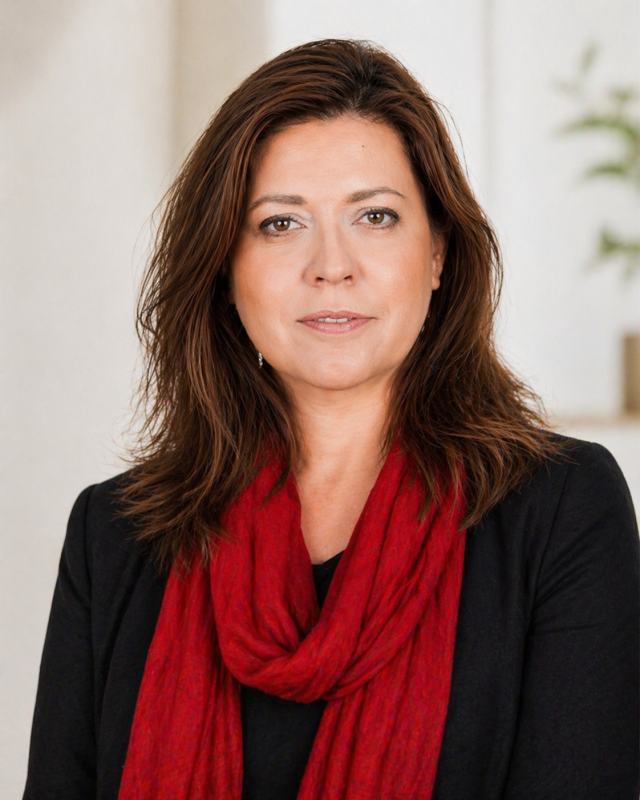
 Hi Svetlana. Thank you so much for joining me today. Can you tell me about your book, Red Riding Hood: The Letter from the Wolf and what inspired it?
Thank you for inviting me. The novel began with something I kept returning to: the way a family can tell the truth about its past and still leave out enough to change the meaning of everything. I wanted to follow a woman who has lived comfortably inside one version of her history and then finds evidence that does not quite fit it.
Rose is 53 and living in Buenos Aires when photographs, letters and documents begin to contradict what she has always believed about her family. What interested me was not only the mystery itself, but the age at which she encounters it. She already has decades of relationships, decisions and loyalties behind her, so the discovery cannot be contained in the past; it inevitably alters the present as well.
The book first appeared as Red Riding Hood: The Letter from the Wolf, and the revised English edition is now The Archive of Absence: The Letter from the Wolf. The title evolved with the book, but the story still turns on the same question: what happens when the family version of the past no longer fits the evidence in front of you? Buenos Aires felt natural for this because so many lives there have been rebuilt after leaving another place behind.
What was your route to publication like and what advice do you have for someone looking to follow a similar path?
I published independently, which meant that finishing the manuscript was followed almost immediately by a second education. Suddenly I was making decisions about editing, covers, metadata, distribution, translation and rights, while also learning how invisible a perfectly good book can remain if nobody knows where to find it.
Working across several language editions made that even clearer. The story stays the same, but the way readers encounter it does not, and each market forces you to rethink presentation, discoverability and sometimes even the title.
For anyone choosing a similar route, my advice would be to separate the jobs in your head. Writing, publishing and promotion require different kinds of attention, and trying to solve all three at once usually makes each of them worse. Give the manuscript patience, learn the practical side instead of pretending it will somehow sort itself out, and be specific about who the reader is. I learned that last part slowly, which is a polite way of saying I made several avoidable mistakes first.
Can you tell us a little about your writing day? Do you have any rituals like needing coffee or writing in silence? A favourite place to write?
My writing days are fairly unceremonious. I usually work at home in Almagro, Buenos Aires, with tea nearby and enough quiet to stay inside a scene, although the city has never signed any agreement to cooperate with that plan.
Continue reading →


 by
by 

 Welcome to Fiction Friday, our weekly flash fiction challenge.


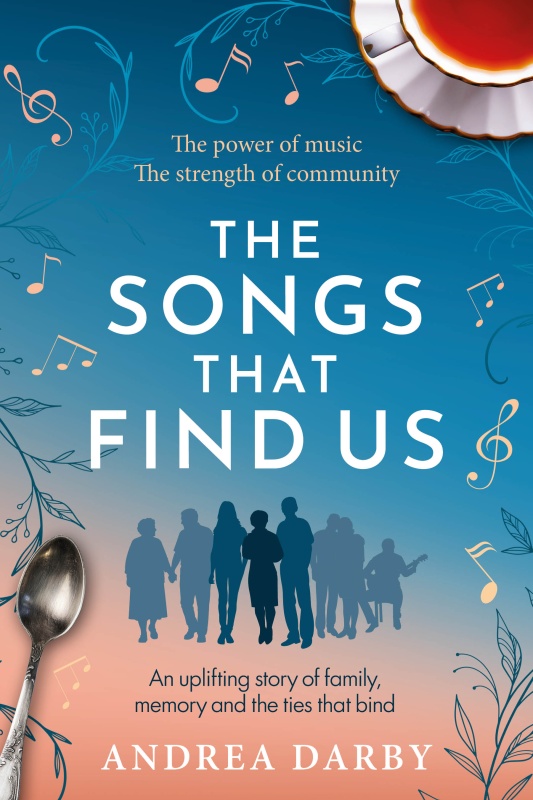 I am so pleased to be welcoming Andrea Darby to Novel Kicks and the blog tour for her book, The Songs That Find Us.


 Welcome back to the Novel Kicks Writing Room.

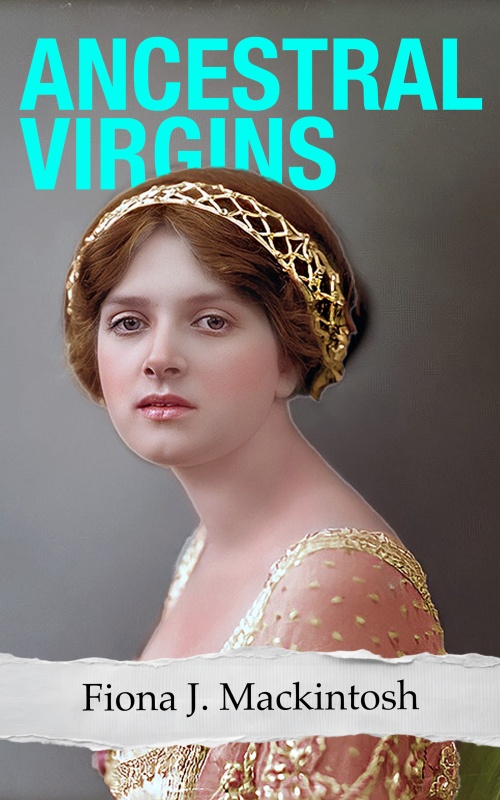 Please join me in welcoming Fiona J. Mackintosh to Novel Kicks and the blog tour for her book, Ancestral Virgins.